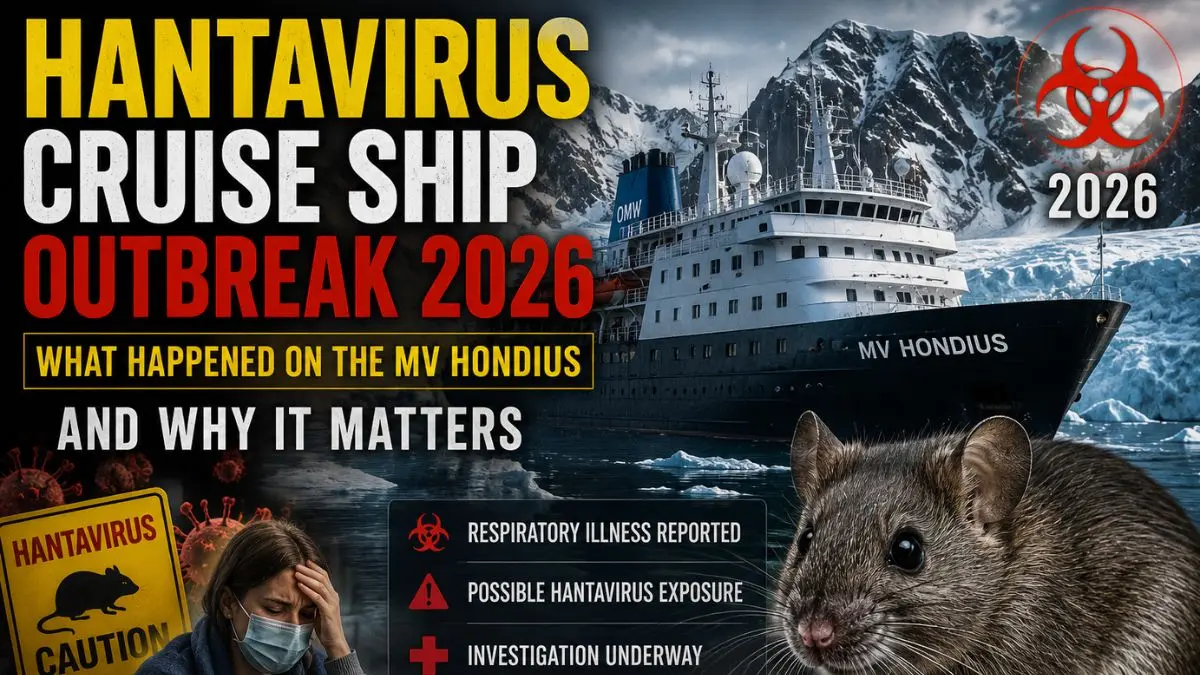
Hantavirus Cruise Ship Outbreak 2026: What Happened on the MV Hondius and Why It Matters
The hantavirus cruise ship outbreak on the MV Hondius has sparked global concern, triggering one of the most complex international contact-tracing operations in recent years. With three confirmed deaths and multiple cases linked to the Andes strain, this incident serves as a stark reminder of emerging infectious disease risks in our highly connected world.
Hantavirus Cruise Ship Outbreak 2026
The expedition ship departed Ushuaia, Argentina, in early April 2026 for a South Atlantic and Antarctic route. A cluster of severe respiratory illnesses emerged among passengers and crew. As of May 7, 2026, reports indicate 3 deaths, 5 confirmed cases, and additional suspected cases among the 147 people (passengers + crew) from over 20 countries.
Key timeline highlights include early deaths (including a Dutch couple), passenger disembarkation in St. Helena, onward travel via Johannesburg, and the ship being denied docking in Cape Verde before heading toward the Canary Islands.
The Virus: Andes Strain Hantavirus
Unlike most hantaviruses, the Andes strain can spread through limited person-to-person transmission, typically requiring close/prolonged contact. Primary transmission remains rodent-to-human via inhalation of aerosolized urine, droppings, or saliva. The virus has no specific cure or vaccine — treatment is supportive.
Early symptoms (appear 1–8 weeks after exposure):
- Fever, fatigue, muscle aches, headache, chills
- Nausea, vomiting, dizziness
Severe progression (Hantavirus Pulmonary Syndrome):
- Shortness of breath, coughing, fluid in lungs
- Can lead to respiratory failure (fatality rate can reach 30–40% in severe cases)
Global Contact Tracing and Current Status
Health authorities in the US, UK, South Africa, Netherlands, Spain, and others are monitoring passengers. Several US travelers (in Georgia, California, Arizona) are under observation but currently asymptomatic. The ship is en route to Tenerife for further medical evaluation and disinfection. Public risk remains low, but vigilance is advised.
Why This Outbreak Matters: Lessons for Global Health
This event underscores ongoing vulnerabilities in international travel, cruise ship protocols, and rapid response systems — even for diseases with limited transmissibility. It reinforces the need for stronger surveillance and coordination.
Hantavirus Prevention Tips
Prevention focuses on avoiding rodent exposure, as there is no vaccine. Follow these CDC-recommended steps:
- Seal your space — Close gaps, holes, and cracks in homes, cabins, sheds, or vehicles where rodents can enter.
- Trap and control — Use snap traps and reduce clutter that provides nesting sites. Store food in sealed containers and keep trash covered.
- Safe cleaning — Never sweep or vacuum rodent droppings dry. Wet the area with disinfectant (bleach solution or household cleaner), wear gloves and an N95 mask, then wipe up. Dispose of waste in sealed bags.
- Outdoor precautions — When camping, hiking, or in rural areas, avoid touching rodents or their nests. Keep food protected and ventilate enclosed spaces.
- Travel awareness — On cruises or trips to rodent-prone areas, maintain good hygiene and report any flu-like symptoms promptly.
These measures greatly reduce risk for both travelers and everyday homeowners.
FAQ – Hantavirus Cruise Ship Outbreak & General Questions
Q: Is hantavirus contagious between people? A: Most strains are not. The Andes strain can spread via close contact, but it is far less contagious than COVID-19 or flu.
Q: Who is at highest risk from this outbreak? A: Primarily close contacts of confirmed cases and recent passengers from the MV Hondius. General public risk is currently very low.
Q: What should I do if I was on the ship or had contact with passengers? A: Monitor for symptoms for up to 8 weeks and contact health authorities immediately if fever, muscle aches, or breathing issues develop.
Q: Can pets spread hantavirus? A: No. Dogs and cats do not transmit the virus to humans.
Q: Is there treatment available? A: No specific antiviral. Early hospitalization and supportive care (oxygen, fluids) improve outcomes significantly.
Q: How can travelers protect themselves on cruises? A: Choose reputable operators with strong health protocols, wash hands frequently, avoid close contact with sick individuals, and report symptoms early.