
Top 10 Most Visited Countries in the World: Your Complete Travel Guide for 2025-2026
If your suitcase has been sitting in the closet collecting dust, 2026 may be the perfect time to travel again. People around the world are eager to explore new places after years of travel restrictions. Airports are busy once more, and famous tourist attractions are filled with visitors taking photos and enjoying new experiences.
According to the UN Tourism and World Tourism Barometer, international tourist arrivals reached around 1.45 billion in 2024. This number shows that global tourism recovered to nearly 99% of pre-pandemic levels. It clearly shows that people still love traveling, discovering different cultures, and trying foods from around the world.
The World Economic Outlook Report also confirmed that global tourism grew by 2.9% in 2024. This growth proves that people’s desire to travel remains very strong.
However, with so many amazing destinations available, choosing where to travel can feel difficult.
In this article, we will look at the 10 most visited countries in the world, where millions of tourists travel every year. These countries offer famous attractions, exciting experiences, and strong tourism facilities, making them excellent choices for your 2026 adventure.
Most Visited Countries in the World
With so many places to choose from, the question arises, where should you spend your money? Let’s take a look at the most visited countries that saw the biggest tourist rush last year.
1. France
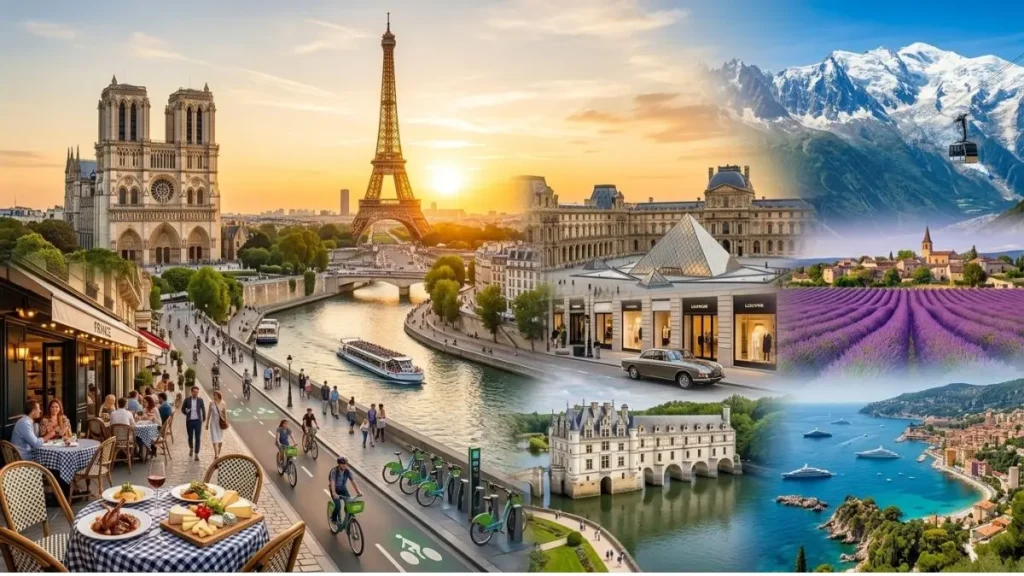
France continues to hold its position as the most visited country in the world, attracting around 89.4 to 102 million international visitors every year. Tourism plays a major role in the country’s economy and contributes nearly 8% of France’s GDP. In 2026, France remains the global tourism leader with more than 50 UNESCO World Heritage Sites.
France attracts travelers with its perfect mix of history, culture, art, fashion, food, beaches, mountains, and countryside beauty. Millions of people visit every year to experience famous landmarks, world-class museums, charming villages, and luxury travel experiences.
One of the biggest tourism updates in 2026 is the reopening of Notre-Dame de Paris after years of restoration following the devastating 2019 fire. The cathedral now includes modern visitor systems such as timed entry, online reservations, and improved accessibility features to manage large crowds more smoothly.
Paris also welcomed the world’s first luxury Louis Vuitton hotel on the famous Champs-Élysées avenue. The hotel features luxury rooms, cafés, boutiques, and permanent art exhibitions inside a beautiful historic building. Another important reopening is Hôtellerie des Laquets near Pic du Midi, a restored mountain hotel offering breathtaking views of the French Pyrenees and Europe’s stunning night skies.
Meanwhile, the famous Grand Palais reopened with expanded exhibition areas and modern cultural spaces, making it one of the top attractions for art lovers.
Paris continues to modernize while protecting its historic charm. The city has expanded walking and cycling areas along the Seine River and invested more in eco-friendly transportation and sustainable tourism projects. Restaurants across Paris are also focusing more on sustainable cooking, local ingredients, and eco-conscious dining experiences.
Paris remains home to some of the world’s most famous tourist attractions, including the iconic Eiffel Tower and the legendary Louvre Museum, which welcomes millions of visitors every year. The city also offers major cultural attractions such as Fondation Cartier, the upcoming Centre Pompidou Francilien project, and a special Renoir exhibition at the Musée d’Orsay during 2026.
Travelers visiting Paris in 2026 should know about the European Union’s new Entry/Exit System (EES), which will require non-EU visitors to register biometric information when entering the Schengen zone. The city is also encouraging tourists to explore quieter neighborhoods beyond the busiest tourist spots. Areas such as Le Marais, Montmartre, and the Latin Quarter offer hidden courtyards, local cafés, boutique galleries, and authentic Parisian culture.
Beyond Paris, France offers many incredible destinations. The French Riviera attracts visitors with glamorous beaches, luxury resorts, and Mediterranean scenery. The Loire Valley is famous for its more than 300 fairytale castles, giving travelers a glimpse into France’s royal history. Wine regions such as Bordeaux, Burgundy, and Champagne are known worldwide for vineyard tours and wine tasting experiences.
Provence is famous for its purple lavender fields, peaceful villages, and artistic atmosphere, while the French Alps attract visitors year-round with skiing in winter and hiking during summer.
French cuisine remains one of the country’s strongest attractions. Every region offers unique dishes, pastries, cheeses, and wines that make food an unforgettable part of the travel experience. France also has an excellent transportation network, including high-speed TGV trains that make traveling between cities fast and comfortable.
Visitors can also enjoy unique experiences like safari-style tours at Camargue Regional Nature Park, where white horses, black bulls, and pink flamingos roam freely. During winter, France becomes even more magical with Christmas markets, festive lights, and seasonal celebrations across the country.
2. Spain
Spain remains one of the most visited countries in the world, welcoming around 83.7 to 93.8 million international visitors every year. Tourism plays a huge role in the country’s economy and contributes nearly 12% of Spain’s GDP.
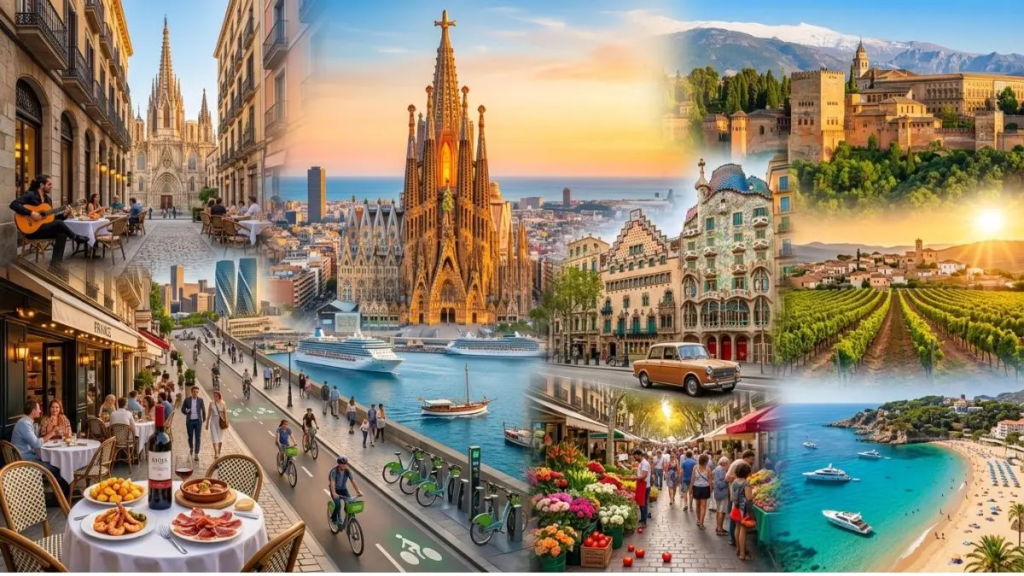
Spain attracts travelers with its mix of historic cities, beautiful beaches, world-famous architecture, exciting festivals, nightlife, and delicious food. Visitors come to experience Spain’s rich culture, Mediterranean lifestyle, and famous landmarks.
One of the biggest tourism stories of 2026 is the near completion of the famous Sagrada Família in Barcelona. The church’s central Jesus Tower reached 172.5 meters, making it the tallest church tower in the world. In June 2026, Pope Leo XIV is expected to visit Barcelona to officially inaugurate the Tower of Jesus Christ during a special Mass marking the centenary of architect Antoni Gaudí’s death.
The Sagrada Familia continues to attract massive crowds, with nearly 5 million visitors in 2025. Because of extremely high demand, tourists now need to book tickets 3–6 weeks in advance, especially during summer, Easter, and holidays. Barcelona has also introduced timed entries and visitor limits to reduce overcrowding at major attractions.
Travelers without Sagrada Familia tickets can still enjoy many beautiful places around Barcelona. The Gothic Quarter offers medieval streets, hidden courtyards, and Roman history. Popular spots like Barcelona Cathedral, La Boqueria Market, and the trendy El Raval neighborhood provide local culture, food, and street art experiences. Visitors can also enjoy sunset views around Park Güell or walk around the outside of the Sagrada Familia for photos.
Barcelona is famous for the creative architecture of Antoni Gaudí, colorful streets, beaches, nightlife, and artistic atmosphere. However, Spain offers much more beyond Barcelona.
Madrid, the capital city, is known for its world-class museums, shopping streets, parks, and cultural attractions. The famous Museo del Prado displays masterpieces by artists like Goya and Velázquez.
Granada is home to the stunning Alhambra, one of Europe’s finest examples of Islamic architecture. Cities like Seville and Córdoba are famous for their historic charm, Moorish architecture, and religious landmarks, including the impressive Mosque-Cathedral of Córdoba.
Spanish food culture is another major reason tourists visit the country. Spain is famous for tapas, jamón ibérico, seafood dishes, and local wines. Regions such as Rioja and Ribera del Duero are internationally known for high-quality wine production.
Spain is also famous for its exciting festivals and unique experiences. The Running of the Bulls in Pamplona attracts thrill-seekers from around the world, while La Tomatina in Buñol hosts the world’s largest tomato fight. Throughout the year, local fiestas celebrate music, dance, and community traditions.
Adventure lovers can explore the Tabernas Desert, where classic western movies like The Good, the Bad and the Ugly were filmed. Another popular attraction is El Caminito del Rey, once called the world’s most dangerous walkway, which now offers a safe but thrilling cliffside hiking experience.
Spain also offers beautiful coastal destinations with hundreds of miles of Mediterranean coastline, sandy beaches, resort towns, and hidden coves that attract millions of sun-seekers every year.
3. United States
The United States remains one of the world’s most popular travel destinations, welcoming around 72 to 85 million international visitors every year. Experts expect visitor numbers to reach 85 million in 2026, which would surpass pre-pandemic tourism levels. Long-term forecasts also predict nearly 96.7 million visitors by 2029.
The country leads the world in international tourism revenue, generating around $215 billion annually. Travelers visit the United States for its mix of iconic cities, national parks, beaches, entertainment, shopping, food, and adventure experiences.
One of the biggest travel trends in 2025–2026 is the rise of “darecations,” where tourists seek adrenaline-filled activities such as river rafting, racing experiences, ziplining, and theme parks. At the same time, families are planning vacations based on activities their children enjoy most. This has increased demand for theme parks, outdoor adventures, and family-friendly destinations.
Theme parks remain a major part of American tourism. The industry reached a value of $75.1 billion in 2025, while companies like The Walt Disney Company, Universal Destinations & Experiences, and SeaWorld Parks & Entertainment continue investing in new rides, themed attractions, hotels, and entertainment experiences.
Orlando became one of the country’s biggest tourism success stories after welcoming a record 76.7 million visitors in 2025, the highest number in the city’s history. New attractions, improved flight connections, and strong tourist demand are expected to keep Orlando growing in 2026.
Another major travel trend is the rise of staycations and domestic travel. Many Americans now prefer shorter trips to nearby destinations instead of long international vacations. The increase in remote work, with more than 32 million Americans working from home in 2025, has also made longer road trips and flexible travel more common.
However, overcrowding has returned to many major tourist areas. Popular cities and national parks are becoming busy again as tourism numbers continue recovering. Because of this, many travelers now book trips at the last minute, creating challenges for tourism businesses.
At the same time, some destinations still offer fewer crowds, giving visitors more relaxed travel experiences, shorter attraction lines, and better hotel deals outside peak seasons. Another growing trend is wellness tourism, where travelers focus on relaxation, nature, health, and self-care experiences.
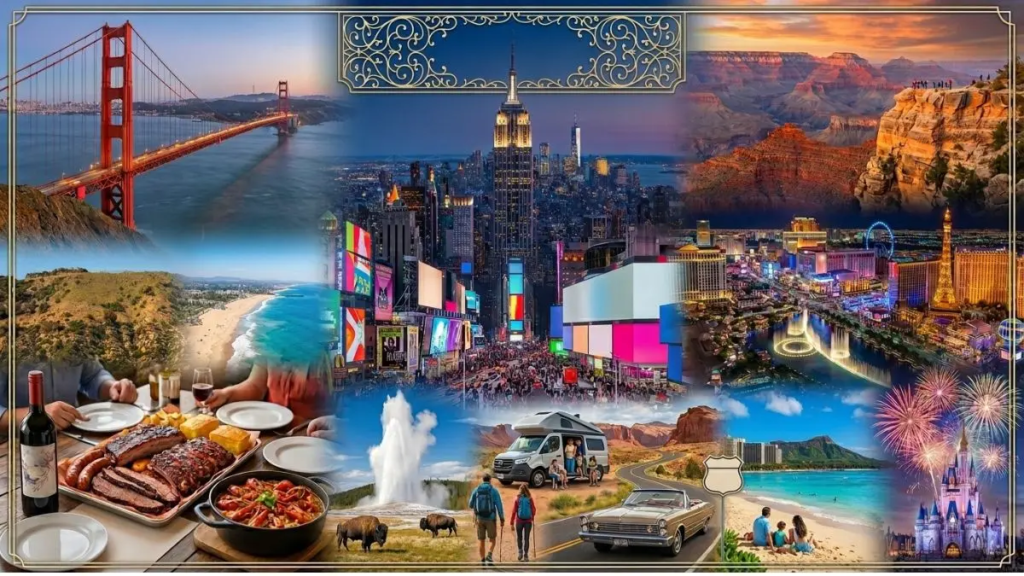
The United States is home to some of the world’s most famous cities. New York City attracts millions with its towering skyline, Broadway shows, shopping, Times Square, and the iconic Empire State Building. Los Angeles is famous for Hollywood, beaches, and entertainment culture, while San Francisco is known for the Golden Gate Bridge, cable cars, and technology industry.
Washington attracts history lovers with its free Smithsonian Institution museums and famous monuments like the Lincoln Memorial. Meanwhile, New Orleans is celebrated for its Cajun food, jazz music, nightlife, and Mardi Gras festival.
Nature is another major reason people visit the United States. National parks like Yellowstone National Park offer incredible wildlife and landscapes, while the Grand Canyon amazes visitors with its massive size and natural beauty. Hawaii attracts tourists with tropical beaches and volcanoes, while the Rocky Mountains are popular for skiing and hiking throughout the year.
Theme parks continue to attract families from around the world. Walt Disney World and Disneyland remain among the world’s most famous attractions. Las Vegas also draws millions with its luxury hotels, casinos, entertainment shows, and nightlife.
American food culture is another important part of tourism. Beyond fast food, the country offers diverse regional dishes such as Texas barbecue, New Orleans Cajun cuisine, and fresh New England seafood, giving travelers unique culinary experiences across different states.

4. China
China receives around 26.9 to 65.7 million visitors every year, with tourism growing about 4.5%. It is the most populated country in the world and offers a unique mix of ancient history and modern life. In one trip, you can see 2,000-year-old relics and also futuristic cities that look newly built.
China is a place of strong contrast. On one side, you find old temples, historical sites, and ancient culture. On the other side, there are modern skyscrapers, bright cities, and advanced technology. This mix makes China feel like two worlds in one country.
The Great Wall of China stretches over 13,000 miles across mountains and valleys. Some parts near Beijing are restored for tourists, while wild sections like Jiankou and Jinshanling feel raw and adventurous, with broken stone paths and natural scenery.
The Forbidden City in Beijing was home to 24 emperors. It is a huge palace with thousands of rooms, filled with royal history and treasures that show how emperors lived for centuries.
The Terracotta Army near Xi’an is another wonder. It has thousands of life-sized soldier statues built to protect China’s first emperor. Each statue looks different, with unique faces and details.
Modern China is just as impressive. Cities like Shanghai and Shenzhen are full of tall buildings, bright lights, and fast-paced life. They feel highly advanced and modern. China also has one of the fastest train systems in the world, with trains reaching speeds of up to 217 mph, making travel between cities very quick.
Nature in China is also breathtaking. Zhangjiajie National Forest Park is famous for its tall rock pillars surrounded by mist, which inspired the floating mountains in Avatar. The Li River in Guilin offers peaceful boat rides through beautiful limestone hills, where traditional fishing methods are still used.
Chinese food also changes from region to region. Sichuan food is spicy and bold, while Cantonese food like dim sum is light and flavorful. Street food markets offer many local snacks, and tea houses give a calm place to enjoy traditional Chinese tea culture.
5. Italy
Italy welcomes around 62–65 million visitors every year, and in 2025 the total number of tourists reached a record 185 million. Tourism is a major part of the country’s economy, making up about 13% of Italy’s GDP, with over €55 billion spent in 2024. Even with overcrowding challenges, Italy continues to grow in popularity, especially for luxury and cultural travel.
In 2025, tourism reached new records due to major global events. The Rome Jubilee 2025 brought millions of pilgrims, turning Rome into a major religious destination. The Venice Biennale 2025 attracted global art lovers, and papal events also brought large crowds, including over 250,000 mourners in Rome after the death of Pope Francis. Italy also saw strong growth in luxury tourism, ranking among the top destinations worldwide.
Tourist numbers were extremely high in 2025. April alone saw over 10.6 million visitors, and the first half of the year recorded nearly 30 million overnight stays. Summer arrivals were expected to reach 27 million, showing how strong demand for Italy remains.
However, Italy is also dealing with overtourism management. Venice introduced a €10 entry fee for day visitors in 2025 to protect its fragile city structure. While controversial, it reduced crowd pressure and is expected to continue in 2026.
At the same time, Italy is encouraging travel to less crowded regions to balance tourism. Places like Puglia, Basilicata, Le Marche, Abruzzo, and Sardinia are becoming more popular. These areas offer authentic culture, peaceful nature, and fewer crowds compared to major cities.
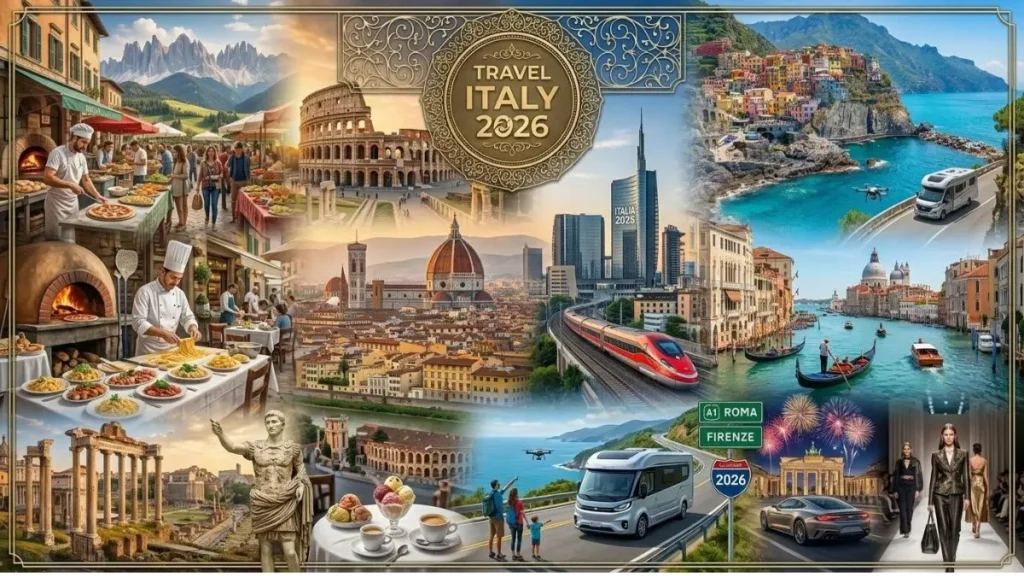
Major cities still remain very important. Rome feels like an open-air museum with ancient ruins like the Colosseum and Vatican treasures. Venice is famous for its canals, romantic views, and unique architecture, though it can be very crowded. Florence is known as the heart of the Renaissance with world-famous art and the Duomo. Matera stands out for its ancient cave homes that feel like stepping back in time.
Italy’s natural beauty is also a big attraction. The Amalfi Coast offers dramatic cliffs and colorful villages above blue water. Sardinia is known for crystal-clear beaches, while Lake Garda offers peaceful scenery and charming towns.
Food is one of Italy’s biggest highlights. Every region has its own specialties. You can enjoy Neapolitan pizza in Naples, fresh pasta in Bologna, seafood in Venice, and gelato everywhere. Italian food is not just a meal—it is a full experience.
Italy is also a global center of art and culture. Cities like Florence and Rome are filled with museums, churches, and galleries that showcase centuries of creativity. Milan represents the world of fashion, home to luxury brands like Gucci and Prada, making Italy a leader in style and design.
Overall, Italy is a country where history, art, food, nature, and modern tourism all come together, making it one of the most visited and loved destinations in the world.
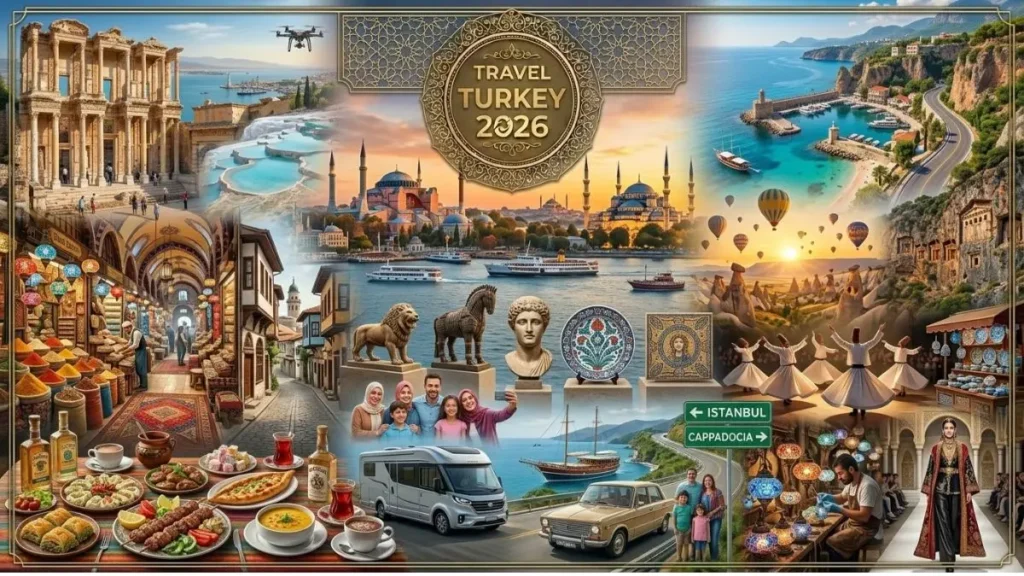
6. Turkey: Where Europe Meets Asia
Turkey welcomes around 51.2 to 61 million visitors every year, with tourism growing about 11.9% to 15% in recent years. It is a fast-growing destination because it sits between Europe and Asia, giving travelers a unique mix of cultures, history, and landscapes in one country.
Turkey’s special location makes it very different from other places. You can experience both European-style cities and Asian traditions in the same trip. This cultural blend is visible in food, architecture, lifestyle, and daily life.
Istanbul is the Bridge Between Two Continents: Istanbul is one of the most unique cities in the world because it lies on two continents—Europe and Asia. A short ferry ride across the Bosphorus Strait lets you cross between continents in minutes. The city was once the capital of three great empires: Roman, Byzantine, and Ottoman, so every corner is full of history.
Some of the most famous places in Istanbul include the Hagia Sophia, which has been a church, mosque, and museum over time, showing its rich history. The Blue Mosque is known for its beautiful domes and tall minarets. The Grand Bazaar is one of the oldest markets in the world, with thousands of shops where you can buy spices, jewelry, and souvenirs while enjoying traditional bargaining.
Cappadocia looks like another planet with its strange rock formations called “fairy chimneys” and ancient cave homes. One of the most popular experiences here is taking a hot air balloon ride at sunrise, where you can see hundreds of balloons floating over the unique landscape.
Turkey also has stunning beaches along the Mediterranean and Aegean Seas. Cities like Antalya and Bodrum are famous for their clear blue water, relaxing resorts, and sunny weather, making them perfect for beach lovers.
Turkey is full of ancient sites. Ephesus is one of the best-preserved Roman cities in the world. Troy is famous for the legendary Trojan War story. The Pamukkale (Cotton Castle) terraces are natural white pools filled with warm mineral water, where people have been bathing since ancient times.
Culture, Food, and Hospitality: Turkish people are known for their warm hospitality. Guests are treated with great respect and are often offered tea or food as a welcome gesture. Turkish tea is served almost everywhere, showing their friendly culture.
Food in Turkey is rich and flavorful. You can enjoy kebabs, mezes (small appetizers), and sweet baklava. Another unique experience is the Turkish bath (Hammam), where you relax on warm marble and enjoy a traditional cleansing and massage experience.
Great Value for Travelers: Turkey is also known for being affordable. Visitors can enjoy good hotels, tasty meals, and shopping at much lower prices compared to many European countries, making it a popular choice for budget and luxury travelers alike.
Overall, Turkey is a place where history, culture, nature, and hospitality come together, offering a truly unforgettable travel experience.
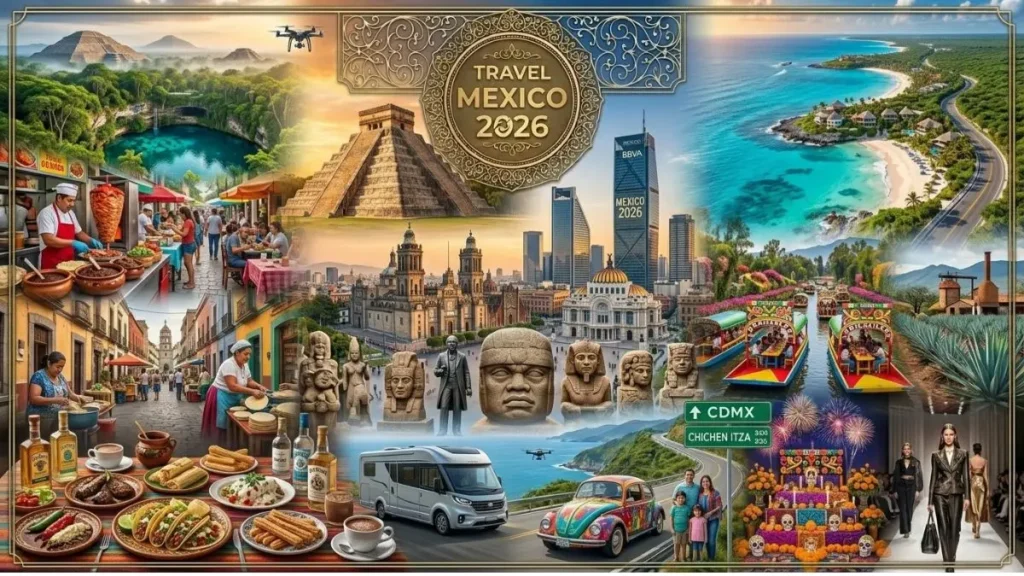
7. Mexico
Mexico welcomes around 45 million visitors every year, with tourism growing about 9%. It contributes around 8.5% to the country’s GDP, showing how important tourism is for the economy. Mexico is a colorful country that mixes ancient civilizations, colonial history, beautiful nature, and warm hospitality.
Mexico offers much more than beaches. It is a place where you can explore ancient ruins in the morning, relax in nature during the day, and enjoy lively city life at night.
Riviera Maya and Beaches: The Riviera Maya in the Yucatán Peninsula is one of the most famous beach regions. It has long white sandy beaches and clear turquoise water. Along the coastline, you may even see dolphins and whales in the sea. Some quieter areas like Huatulco are perfect for peaceful holidays and relaxation.
Mexico City is a large and modern capital that surprises many visitors. It has world-class museums, historic buildings, and vibrant neighborhoods. The city center shows a mix of Spanish colonial architecture and ancient Aztec ruins. Areas like Roma Norte and La Condesa are known for cafes, restaurants, and nightlife, giving the city a trendy and creative feel.
Ancient Ruins and History: Mexico is home to many ancient archaeological sites. Teotihuacan is famous for its massive pyramids built before the Aztecs. Chichen Itza is one of the most important Mayan cities in the Yucatán Peninsula. Overall, Mexico has 35 UNESCO World Heritage sites, showing its rich cultural and historical value.
The cenotes in the Yucatán are natural sinkholes filled with clear, cool water. Swimming or snorkeling in these underground pools feels peaceful and almost magical. In ancient times, these cenotes were considered sacred by the Mayan civilization.
Mexican cuisine is recognized by UNESCO as an important cultural heritage. It is much more than tacos and guacamole. Every region has its own dishes, from street food like quesabirria to traditional slow-cooked sauces like mole. Mexico City also has fine dining restaurants, making it a paradise for food lovers.
Mexico is also the birthplace of chocolate. Traditional hot chocolate served with churros is a popular and delicious experience.
One of the most famous celebrations is the Day of the Dead (Día de Muertos). It takes place in late October and early November. Families honor loved ones who have passed away with colorful decorations, flowers, skull art, and joyful celebrations instead of sadness.
Mexico is also great for adventure lovers. You can try cage diving with sharks, paragliding, cave exploration, hot air balloon rides over pyramids, and swimming in cenotes. There are many exciting experiences for thrill-seekers.
Mexico is the birthplace of tequila and mezcal. In places like Oaxaca, visitors can learn how mezcal is made and taste different varieties. The famous Tequila train experience also lets you explore the drink’s history and production process.
Overall, Mexico is a country full of life, color, history, and adventure, offering something for every type of traveler.
8. Thailand: The Land of Smiles
Thailand welcomes around 35.5 to 39.8 million visitors every year, and tourism makes up about 18% of the country’s GDP. It is famous for its friendly people, affordable travel, beautiful beaches, and rich culture. Many travelers call it the “Land of Smiles” because of the warm hospitality everywhere.
Thailand is a place where you can enjoy both tradition and modern life together. You can explore ancient temples, eat street food on busy roads, and relax on peaceful islands—all in one trip.
Bangkok is a city where old temples and modern skyscrapers exist side by side. The Grand Palace is one of the most important landmarks and houses the sacred Emerald Buddha. Around the city, you will also find beautiful temples called wats with detailed designs and golden structures.
Bangkok is also famous for its street food. You can try local Thai dishes at very low prices while sitting on busy street corners filled with energy and life.
Important temples include Wat Pho, known for its giant Reclining Buddha, and Wat Phra That Doi Suthep, a golden temple located on a mountain near Chiang Mai with amazing views.
Tropical Islands and Beaches: Southern Thailand is known for its beautiful islands and beaches. Phuket is popular for its resorts and lively atmosphere. Koh Phi Phi and Koh Lanta offer quieter, more relaxed experiences. Phang Nga Bay is famous for its tall limestone rocks rising from the sea, and Krabi is known for cliffs, beaches, and diving spots.
Thai Food and Culture: Thai cuisine is loved around the world for its perfect balance of sweet, sour, salty, and spicy flavors. UNESCO recognizes Thai street food as an important cultural experience. Popular dishes include Pad Thai, green curry, and tom yum soup. Many visitors also take cooking classes to learn how to prepare these dishes.
Thailand has over 33,000 temples, showing how important Buddhism is in daily life. Visitors can also experience ethical elephant sanctuaries near Chiang Mai, where rescued elephants are cared for and protected.
Affordable Travel and Lifestyle: Thailand is known for being very budget-friendly. Transportation like tuk tuks and trains is cheap, and travelers can enjoy good food and comfortable hotels without spending much money. This makes it a popular destination for both backpackers and luxury travelers.
Nightlife and Local Experience: Thailand also has a very lively nightlife, especially in Bangkok and Patong Beach. From beach parties to night markets, there is always something happening. Riding a tuk tuk is another fun experience, as these small vehicles move quickly through busy streets and give a true taste of local life.
Overall, Thailand is a mix of culture, nature, food, and adventure, offering something special for every type of traveler.
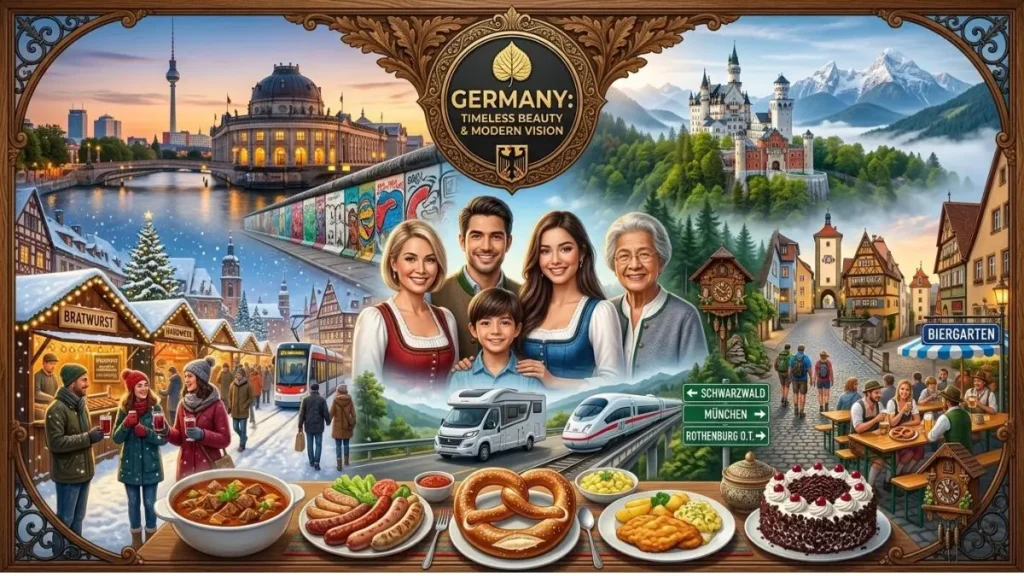
9. Germany: A Balance of History and Modernity
Germany welcomes around 39 to 39.6 million visitors every year. Tourism is growing steadily, especially in areas like eco-tourism and business travel. The country is known for its clean cities, strong infrastructure, rich history, and modern lifestyle, all working together in balance.
Germany is a place where the past and present exist side by side. You can explore medieval towns and historic castles, and on the same trip, experience modern cities with advanced technology, art, and nightlife.
Major Cities of Germany: Berlin is the capital and one of Europe’s most creative cities. Parts of the Berlin Wall still stand today as an open-air art gallery. The famous Museum Island has five world-class museums close together, offering deep insight into art and history. The city is also known for its energetic nightlife and modern culture.
Munich is famous for Bavarian traditions and is especially lively during Oktoberfest, when millions of people come together to enjoy beer, food, music, and celebrations.
Hamburg is a major port city with a strong cultural scene, music, and nightlife.
Fairytale Castles and Scenic Routes: Germany is known for its beautiful castles. The most famous is Neuschwanstein Castle, which looks like a fairytale and even inspired Disney’s Sleeping Beauty Castle.
The Romantic Road is a popular travel route that passes through charming medieval towns like Rothenburg ob der Tauber, where old walls and wooden houses make the town feel like a postcard.
Christmas Markets and Winter Magic: In December, Germany’s cities transform into magical Christmas markets. Streets are decorated with lights, wooden stalls sell handmade gifts, and the smell of hot drinks and festive food fills the air. It is one of the most loved winter experiences in Europe.
Nature and Outdoor Beauty: Germany also offers beautiful natural scenery. The Black Forest is full of dense trees and hiking trails. The Bavarian Alps are perfect for skiing in winter and hiking in summer. The Rhine Valley is famous for its river cruises, castles, and dramatic landscapes.
History and Industrial Heritage: Germany also preserves its industrial past. The Ruhr Region, once known for coal mining, now features cultural centers like the Zollverein Coal Mine Complex, which is a UNESCO World Heritage Site. It shows how Germany transformed old industrial areas into modern cultural spaces.
Food and Local Culture: German food is simple, filling, and delicious. Popular dishes include sausages, pretzels, schnitzel, and Black Forest cake. Beer gardens are a big part of local life, where people relax, eat, and enjoy social time. Food festivals also give visitors a chance to taste regional specialties.
Transport and Travel: Germany has one of the best transport systems in the world. High-speed trains like the ICE connect major cities quickly and comfortably, making travel easy and efficient.
Overall, Germany is a country where history, culture, nature, and modern life come together in a very balanced and organized way.
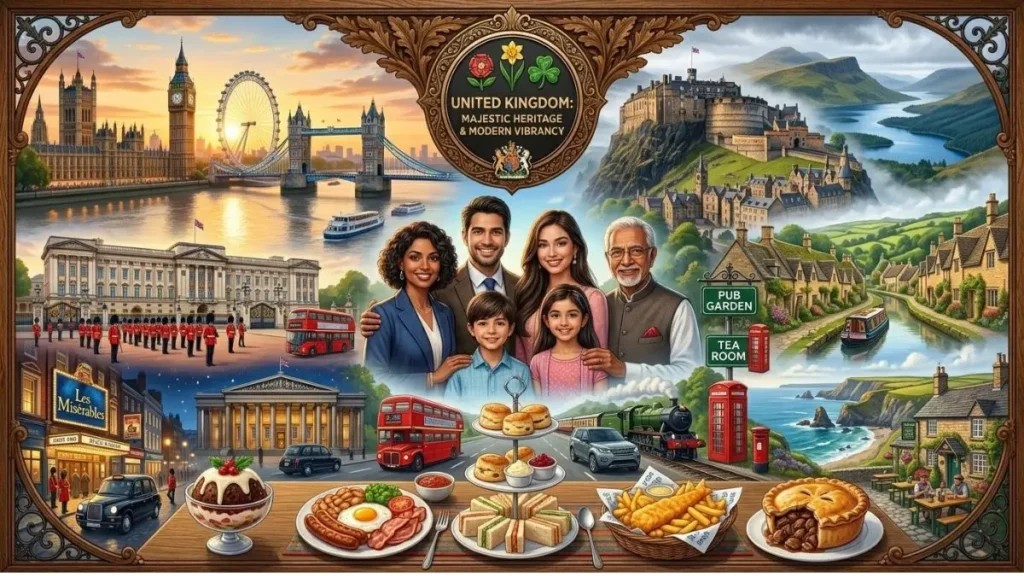
10. United Kingdom: History, Culture, and Natural Beauty
The United Kingdom welcomes around 37 to 43 million visitors every year and generated about £127 billion in tourism revenue in 2023. It is a compact country, but it offers an incredible mix of history, modern culture, and natural beauty all in one place.
The UK is special because you can experience ancient landmarks, royal traditions, modern cities, and peaceful countryside within a short distance.
London is the main attraction for most visitors. It is a city where old history and modern life exist together. You can watch the Changing of the Guard at Buckingham Palace, explore the mysterious history of the Tower of London, or visit the British Museum, which has world-famous collections and is free to enter. The city is also known for its West End theatre shows, which are among the best in the world.
Some of the most famous landmarks include Big Ben and Tower Bridge, which are recognized globally. The ancient site of Stonehenge remains a mystery even today. The Roman Baths also give a glimpse into Britain’s Roman history.
Edinburgh is famous for its old stone streets and historic charm. The Old Town and New Town are both UNESCO World Heritage Sites. The city’s castle sits on a volcanic rock, offering stunning views and deep history.
The UK is also rich in literary history. You can visit Bath, linked to Jane Austen, or Stratford-upon-Avon, the birthplace of Shakespeare. The Yorkshire Moors, associated with the Brontë sisters, offer dramatic natural scenery that inspired classic novels.
Outside the cities, the UK has peaceful and beautiful landscapes. The Scottish Highlands offer mountains and deep lakes, while the Lake District is perfect for hiking and nature lovers. The Cotswolds are known for soft hills and golden stone villages. In Cornwall, you’ll find dramatic cliffs, beaches, and historic sites like Tintagel Castle, linked to the legend of King Arthur.
The UK has many cultural events and traditions. Scotland hosts the Highland Games, London celebrates the Notting Hill Carnival, and Edinburgh is famous for its Hogmanay New Year festival. The Wimbledon Tennis Championships are one of the most respected sporting events in the world. A classic experience is Afternoon Tea, served with scones, cream, and jam.
The UK offers excellent shopping, especially in London, with luxury brands, department stores, and unique markets. British food has also improved a lot over time. Traditional dishes like fish and chips and Cornish pasties are popular, but visiting a local pub is a key cultural experience where people gather to eat and socialize.
The UK has a very strong transport system with international airports and trains that connect all major cities easily. It is also considered a safe destination for travelers, making it comfortable and easy to explore.
Overall, the United Kingdom offers a perfect mix of royal history, modern culture, natural beauty, and timeless traditions.
Understanding Global Tourism Trends
Several important factors decide why these countries are among the most visited in the world. One of the biggest reasons is rich cultural heritage and history. Ancient ruins, old castles, and famous museums attract millions of travelers who want to experience history in real life.
Another major factor is strong transport and infrastructure. Countries with good airports, trains, and road systems make travel easier and more comfortable, which increases tourist numbers.
Safety and easy access also play a big role. Destinations with stable conditions and simple visa processes naturally attract more visitors because people feel more secure planning trips there.
Food and shopping experiences are another strong attraction. Many travelers now choose destinations based on local cuisine, street food, and shopping opportunities, not just sightseeing.
Nature and city life together also matter. Countries that offer beaches, mountains, forests, and modern cities tend to attract a wide variety of tourists with different interests.
Many governments also invest heavily in tourism development, such as improving hotels, transport, and simplifying visas. This directly increases visitor numbers.
Finally, safety levels strongly influence travel decisions. Countries with higher safety ratings are always more popular with international tourists.
The Recovery and Future of Global Tourism
Global tourism is growing strongly again. According to reports, international travel reached around 1.52 billion arrivals in 2025, showing that tourism is fully recovering and continuing to expand.
Today, travelers are not just visiting famous landmarks. They are looking for authentic experiences, where they can connect with local culture and people. Many also prefer sustainable tourism, which means traveling in a way that protects nature and local communities.
Adventure travel and nature-based tourism are also increasing. People want to explore mountains, wildlife, beaches, and outdoor activities more than ever before. At the same time, wellness tourism like spas, yoga, and relaxation trips is becoming very popular.
Planning Your Visit to Top Destinations
Choosing the right time to travel can make your experience much better. In general:
- France: April to May or summer for beaches
- Spain: April to May or September to October
- USA: Spring or autumn for comfortable weather
- China: April to May or September to October
- Italy: Spring and autumn to avoid crowds
- Turkey: April to May or September to October
- Mexico: November to April (dry season)
- Thailand: November to February (cool and dry)
- Germany: May to September, or December for Christmas markets
- UK: May to September for mild weather, December for festive events
Simple Travel Tips
To make your trip better and smoother, keep a few things in mind:
Book flights and hotels early, especially during peak seasons.
Learn a few basic local phrases to show respect.
Follow local customs and traditions.
Use public transport to save money and experience local life.
Eat at local restaurants for authentic food.
Try traveling in off-peak seasons to avoid crowds.
Always get travel insurance for safety.
Check currency exchange rates before traveling to get better value.
Overall, global tourism is becoming more diverse, more accessible, and more experience-focused, with travelers now looking for meaning, culture, and adventure rather than just sightseeing.
Conclusion
Now you know about some of the most visited countries in the world for 2026. Every place offers something special. You might enjoy the stylish cafés in France, the sunny beaches in Thailand, the beautiful castles in Germany, or the ancient history of China and Egypt.
These countries welcome millions of travelers every year because people love to explore new places, meet different cultures, and create lasting memories. You can walk beside the Seine River in Paris, shop in Istanbul’s busy markets, visit peaceful temples in Thailand, or enjoy the amazing views of the Grand Canyon in the USA.
No matter where you travel, the best thing you bring home will not be souvenirs. You will remember the people you met, the foods you tried, the sunsets you watched, and the stories you experienced.
So get your camera ready, learn a few local words, check your travel plans, and prepare for an exciting adventure. Millions of people travel every year to discover these amazing destinations.
Your next adventure is waiting. The world is ready for you.
Safe travels, and enjoy every moment of your journey! 🌍✈️
FAQs
Which country gets the most visitors in the world?
France receives the highest number of international tourists every year. Popular places include Paris, the French Riviera, and the Loire Valley castles.
Which countries are the cheapest to visit?
Thailand, Mexico, and Turkey are popular budget-friendly destinations. Travelers can enjoy good food, hotels, and transportation at lower prices.
What is the best time to travel?
Spring and fall are usually the best seasons because the weather feels pleasant and tourist crowds are smaller. Winter is best for ski trips.
Do travelers need visas for these countries?
Visa rules depend on your nationality and passport. Always check official visa requirements before booking your trip.
Are these countries safe for tourists?
Most of these destinations are generally safe for visitors if travelers follow normal safety precautions and stay informed about local conditions.
How many days should people spend in each country?
Countries like France and China are best for longer trips of about 7–10 days. Countries such as Spain, Italy, and Turkey can be enjoyed in 5–7 days. The United States usually needs 10–14 days because it is very large.
What are the top attractions in these countries?
Famous attractions include the Eiffel Tower in France, Sagrada Família in Spain, the Great Wall of China in China, the Colosseum in Italy, hot air balloons in Cappadocia, cenotes in Mexico, temples in Thailand, castles in Germany, and Big Ben in the UK.