
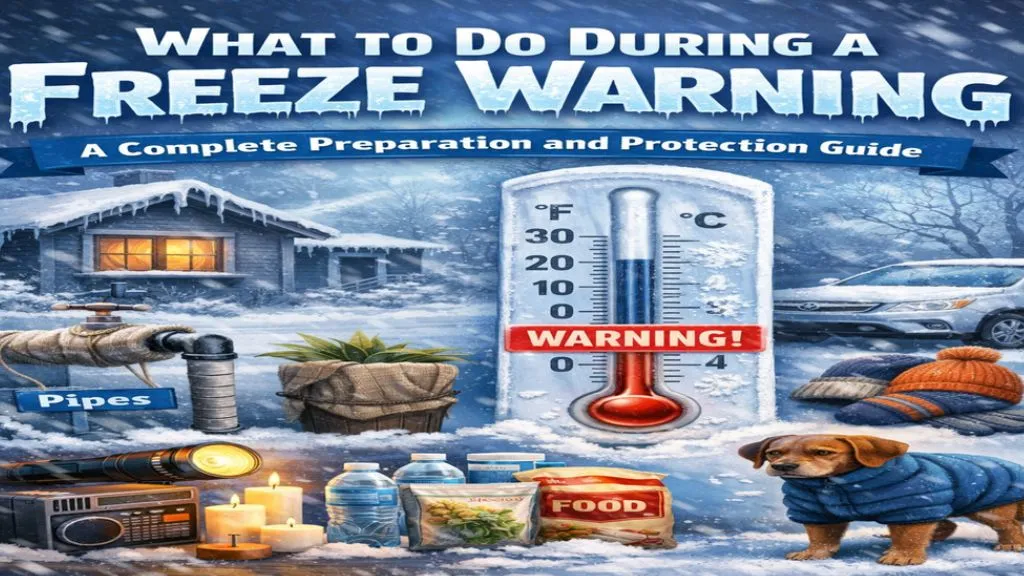
What to Do During a Freeze Warning: A Complete Preparation and Protection Guide
When meteorologists issue a freeze warning, they’re alerting you that temperatures are expected to drop to 28°F (-2°C) or below for several hours. These conditions can damage sensitive vegetation, burst pipes, and create hazardous situations for people and animals. Understanding how to prepare and respond can prevent costly damage and keep everyone safe.
Freeze Warnings vs Cold Weather Alerts
A freeze warning means subfreezing temperatures are imminent or highly likely, typically when air temperatures drop to 28°F or below for a significant period during the growing season. It’s important to understand how this differs from other cold weather alerts:
- Frost Advisory: Milder conditions with temperatures between 33-36°F that may cause frost formation on surfaces
- Freeze Warning: Temperatures of 28°F or below for several hours, serious enough to kill crops and damage unprotected pipes
- Extreme Cold Warning: The most severe alert, involving wind chill values below -20°F, posing immediate danger to human health
These warnings are issued by weather services like the National Weather Service and are particularly critical in regions unaccustomed to freezing temperatures. Even in areas like Karachi, Pakistan, where freezes are rare, unusual cold snaps during winter can catch unprepared households off guard and cause significant disruption.
Immediate Indoor Actions When a Freeze Warning Is Issued
The moment you hear about a freeze warning, take these immediate steps inside your home:
Set your thermostat appropriately. Keep indoor heating at 60°F (15°C) or higher to safeguard pipes and maintain adequate warmth throughout your home. Never let your thermostat drop below 55°F, even if you’re trying to save on heating costs. The expense of heating is negligible compared to the cost of repairing burst pipes.
Let faucets drip strategically. Set faucets to a slow drip, especially those in sinks and bathrooms on exterior walls or in unheated spaces. Moving water is less likely to freeze, and even a trickle can prevent pressure buildup if ice does form in the pipes.
Open cabinet doors under sinks. In kitchens and bathrooms, open cabinet doors to allow warm air to circulate around pipes. This is especially critical for sinks located on exterior walls where pipes are most vulnerable.
Close off unheated spaces. Shut doors to unheated areas like garages, attics, or basements to trap heat where it’s needed most. This prevents warm air from escaping to areas where it won’t help protect vulnerable pipes.
Seal drafts immediately. Use caulk, weatherstripping, or even temporary tape to seal drafts around windows and doors. This retains indoor heat and reduces the strain on your heating system.
Pipe and Plumbing Protection
Frozen pipes are among the most expensive consequences of a freeze warning, as water expands when it freezes and can crack pipes, creating devastating leaks once temperatures rise.
Insulate exposed pipes quickly. Wrap pipes in unheated areas like basements, crawl spaces, attics, and garages with foam pipe insulation sleeves. In an emergency, towels, pool noodles, or even newspaper can provide temporary insulation. Pay special attention to pipes along exterior walls and in unheated spaces.
Disconnect and drain outdoor hoses. Remove garden hoses from outdoor faucets and drain them completely. Water left in hoses can freeze and back up into interior pipes, causing damage you won’t see until it’s too late.
Cover outdoor faucets. Use insulated faucet covers or wrap them with towels secured with plastic bags to provide an extra layer of protection against the cold.
Prepare for potential power outages. If power fails during the freeze, run faucets faster initially to keep water moving. If the outage persists and temperatures continue dropping, you may need to shut off the main water valve and drain your pipes to prevent freezing. Know where your main shut-off valve is located before an emergency occurs.
Handle frozen pipes safely. If you discover a frozen pipe, thaw it carefully using a hairdryer or space heater, working from the faucet back toward the frozen section. Never use open flames, and never leave space heaters unattended. If you suspect a pipe has burst or is about to burst, shut off your main water valve immediately and call a plumber.
Protection Table
| Home Area | Key Protection Steps | Why It Matters |
|---|---|---|
| Pipes | Drip faucets, insulate exposed sections, open cabinets | Prevents bursts and costly water damage repairs |
| Plants | Cover with breathable fabric, water before freeze | Shields from frost kill and tissue damage |
| Windows/Doors | Seal drafts with caulk or temporary tape | Retains indoor heat and reduces heating costs |
| Vehicles | Warm up engine remotely, keep winter kit inside | Avoids battery failure and frozen locks |
| Outdoor Faucets | Cover with insulated wraps, disconnect hoses | Prevents backflow freezing into interior pipes |
Protecting Your Plants and Garden
Your garden faces significant damage during freeze warnings, as prolonged exposure to freezing temperatures causes ice crystals to form inside plant cells, rupturing them and killing tender vegetation.
Bring potted plants indoors. Move container plants into your garage, shed, or home well before temperatures drop. Even an unheated garage provides several degrees of protection compared to outdoor conditions.
Cover vulnerable plants properly. Shield sensitive plants by covering them with frost blankets, old bedsheets, burlap, or even cardboard boxes. The key is using breathable fabric that allows moisture to escape while trapping heat. Avoid placing plastic directly on foliage, as it conducts cold and can damage leaves where it makes contact. If using plastic, create a frame to keep it from touching plants, or use it only as an outer layer over fabric.
Water your garden strategically. Water plants thoroughly during the day before a freeze is expected. Moist soil retains heat better than dry soil and releases it slowly overnight, providing several degrees of protection. However, avoid watering in the evening, as wet foliage is more susceptible to freeze damage.
Mulch around plant bases. Apply a thick layer of mulch, straw, or leaves around the base of perennials, shrubs, and trees to insulate roots and help soil retain heat radiating from below.
Harvest what you can. Pick ripe fruits and vegetables that won’t survive freezing temperatures. Tomatoes, peppers, squash, and other tender vegetables should be harvested even if not fully ripe, as many will continue ripening indoors.
Additional Outdoor Precautions
Clear gutters of debris. Remove leaves and debris from gutters to prevent ice dams from forming, which can cause water to back up under shingles and leak into your home.
Trim dangerous branches. Cut back branches near your house that could fall and cause damage from the weight of ice or during storm conditions that often accompany freeze warnings.
Drain irrigation systems. If you have a sprinkler system, drain it completely or have it professionally winterized with compressed air to blow out remaining water.
Protect pool equipment. If you have a pool, protect pumps, filters, and heaters with insulating covers or blankets to prevent freeze damage to expensive equipment.
Natural Remedies for Cough and Cold in Adults
Personal Safety Measures During Freezing Conditions
Dress in proper layers if going outside. Start with moisture-wicking base layers that pull sweat away from your skin, add insulating middle layers like fleece, and top with waterproof, windproof outerwear. Cover all exposed skin to prevent frostbite, including your head, hands, ears, and face.
Stay indoors when possible. Limit time outdoors during freezing temperatures, especially if winds are strong. Wind chill can make conditions far more dangerous than the actual temperature indicates. Vulnerable groups including the elderly, children, and those with health issues should avoid outdoor exposure entirely.
Check on neighbors. Elderly people and those with limited mobility may need assistance preparing for freezing weather or may need help if heating systems fail. A simple check-in can be lifesaving.
Keep emergency kits stocked. Maintain supplies including blankets, non-perishable food, bottled water, flashlights, batteries, and fully charged devices for potential power outages. Consider keeping a battery-powered or hand-crank radio for weather updates.
Watch for signs of hypothermia and frostbite. Hypothermia symptoms include shivering, confusion, drowsiness, and slurred speech. Frostbite causes numbness and pale or grayish skin, most commonly affecting fingers, toes, nose, and ears. Seek medical attention immediately if you notice these symptoms.
Vehicle and Travel Preparation
Freezing temperatures affect vehicles in multiple ways and can leave you stranded if you’re unprepared.
Park strategically. Park cars in garages if available to protect them from the worst of the cold. If you must park outside, face your vehicle away from prevailing winds.
Use remote start features. Warm vehicles remotely before departure if your vehicle has this feature, preventing frozen locks and allowing the engine to warm up gradually, which is easier on batteries in cold weather.
Keep your gas tank at least half full. This prevents fuel lines from freezing and ensures you have fuel if you’re stranded or need to run the engine for heat during an emergency.
Maintain your vehicle’s winter readiness. Check antifreeze levels and ensure your vehicle’s coolant is properly mixed and rated for the expected temperatures. Most mechanics recommend a 50/50 mix of antifreeze and water that protects to around -34°F. Test your battery, as cold weather reduces battery capacity significantly. Check tire pressure, as tires lose about one PSI for every 10-degree temperature drop.
Prepare an emergency kit. Keep blankets, a flashlight, jumper cables, ice scraper, sand or kitty litter for traction, non-perishable food, water, and a first aid kit in your vehicle.
Delay non-essential travel. If possible, postpone trips during freeze warnings. If travel is unavoidable, inform someone of your route and expected arrival time, and check road conditions before departing.
Herbal Teas That Help With Cold and Flu – Natural Remedies for Soothing Relief
Power Outage Response During a Freeze
Power outages during freezing weather create dangerous situations that require immediate action.
Conserve heat immediately. If lights go out, close all window blinds and curtains to trap heat inside. Avoid unnecessary opening of exterior doors. Gather family members in one room to concentrate body heat and make heating efforts more efficient.
Use safe heating alternatives. Never use generators indoors, as they produce deadly carbon monoxide. Never use your oven or stovetop to heat your home. If using space heaters, never leave them unattended, keep them away from flammable materials, and ensure they’re on stable surfaces.
Stay informed with battery power. Use battery-powered radios for weather and utility updates rather than draining phone batteries.
Protect your pipes during outages. If the power outage persists and indoor temperatures are dropping, run faucets faster initially. If temperatures continue to fall dangerously low, you may need to shut off the main water valve and drain pipes.
Restore water slowly after power returns. Once power is restored, open your main water valve gradually after confirming there are no visible leaks. This prevents pressure surges that could damage already-stressed pipes.
Snow in Florida 2026: Everything You Need to Know About the Sunshine State’s Historic Winter Weather
Pet and Livestock Care During Freeze Warnings
Animals are vulnerable to freezing temperatures and need special attention and protection.
Bring pets indoors always. Dogs and cats should be inside during freezing weather, even if they normally spend time outdoors. Never leave pets outside unattended during extreme cold. If you have outdoor cats in your neighborhood, consider providing a shelter with straw bedding.
Provide proper shelters for livestock. Horses, cattle, chickens, and other farm animals need access to windbreaks and shelters that protect them from wind and precipitation, not just from cold air.
Ensure unfrozen water access. Check water sources frequently to break ice, or use heated water buckets or tank heaters. Animals can quickly become dehydrated in cold weather if water sources freeze.
Increase feed for livestock. Add extra feed for animals to generate additional body warmth through digestion. Animals burn significantly more calories staying warm in cold weather.
Protect poultry carefully. Chickens are susceptible to frostbite on their combs and wattles. Provide extra bedding like straw and ensure their coop is draft-free but well-ventilated to prevent dangerous moisture buildup that can make conditions feel even colder.
Care for fish in outdoor ponds. If you have koi or other fish in outdoor ponds, use a pond heater or deicer to maintain an opening in ice for gas exchange.
Assessment and Recovery After the Freeze
Inspect for pipe damage gradually. Look for signs of burst pipes, including water stains, dampness, unusual sounds, or reduced water pressure. If you find a burst pipe, shut off your main water valve immediately and call a plumber.
Assess plant damage carefully. Don’t immediately assume plants are dead just because they look damaged. Wait several days or even weeks before pruning suspected dead growth, as some plants may recover from the roots. Prune only after a complete thaw to assess actual survival.
Avoid walking on frozen lawns. Grass blades are brittle when frozen and can be damaged by foot traffic, leading to dead patches in spring.
Address humidity issues. In humid climates where moisture can worsen the indoor chill, prioritize using dehumidifiers after the freeze event to prevent mold growth and maintain comfortable conditions.
Document damage for insurance. Take photos of any damage to plants, pipes, structures, or other property for potential insurance claims. Note dates, temperatures, and circumstances.
Service heating systems. Have your heating system inspected if it was strained during the freeze, especially if it ran continuously for extended periods.
Long-Term Preparation for Future Freeze Warnings
If you live in an area prone to freeze warnings, invest in permanent solutions that will protect you for years to come:
- Install frost-free outdoor faucets that drain automatically when turned off
- Upgrade home insulation in attics, crawl spaces, and around pipes
- Plant cold-hardy species that can withstand your region’s typical low temperatures
- Install pipe heating cables in vulnerable areas prone to freezing
- Consider a backup generator for power outages
- Create a freeze warning checklist specific to your property
- Keep emergency supplies on hand year-round
Regional Considerations
While freeze warnings are routine in cold-climate regions, they pose unique challenges in areas unaccustomed to freezing conditions. In places where infrastructure isn’t designed for cold weather, even brief freezes can cause disproportionate damage. Homes may lack insulation, pipes may run through exterior walls, and residents may not own appropriate cold-weather gear.
If you live in a typically warm climate experiencing an unusual freeze, take warnings especially seriously. Your home and infrastructure may be more vulnerable than those in regions built for cold weather. Don’t assume that because freezes are rare, the risks are minimal—the opposite is often true.
Final Thoughts
Freeze warnings are serious weather events that demand proactive preparation and vigilant response. By taking these comprehensive steps to protect your home, plants, animals, and yourself, you can minimize damage and stay safe when temperatures plummet. The time and modest expense invested in preparation is always far less than the cost of dealing with burst pipes, dead gardens, or cold-related emergencies.
Stay informed through local weather services, act quickly when warnings are issued, and don’t hesitate to seek help from professionals when needed. Your safety and the protection of your property depend on treating freeze warnings with the seriousness they deserve.