
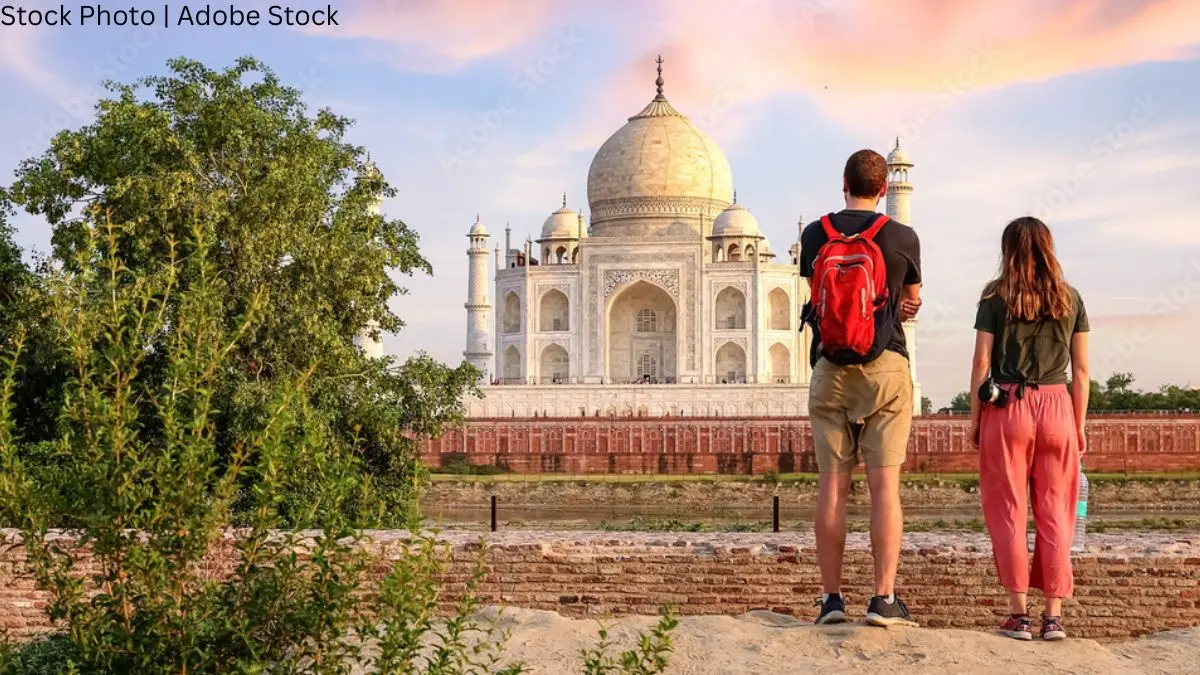
Is India Safe to Travel in 2026? Canada Issues ‘Avoid Non-Essential Travel’ Warning – Full Guide for Canadians
Canada maintains a Level 2 advisory (“Exercise a high degree of caution”) for most of India due to terrorism risks, while issuing a Level 3 “Avoid non-essential travel” warning specifically for Manipur because of ongoing ethnic violence.
Jammu & Kashmir and areas near the Pakistan border remain under “Avoid all travel.” Despite these warnings, India was ranked the world’s No. 1 solo travel destination for 2025 by the Kensington Travel Trends Report.
However, the advisory has reduced demand on routes operated by Air Canada, British Airways, and United Airlines, leading to schedule changes, lower corporate bookings, and insurance complications.
Canada’s Current Travel Advisory for India (Updated 2026)
Global Affairs Canada advises Canadians to exercise a high degree of caution (Level 2) across India due to the threat of terrorist attacks throughout the country. Tourists are rarely the primary targets, but bystanders can be affected.
Higher-risk regional warnings include:

- Manipur (“Jewel of India”): Avoid non-essential travel (Level 3). Violent ethnic clashes between the Meitei and Kuki communities have continued since 2023, causing casualties, curfews, traffic disruptions, and frequent suspensions of mobile and internet services.
- Jammu & Kashmir: Avoid all travel (Level 4) due to terrorism, militancy, civil unrest, and kidnapping risks.
- Areas within 10 km of the Pakistan border (in Punjab, Rajasthan, and Gujarat): Unpredictable security situation, including landmines and unexploded ordnance.
In Manipur, demonstrations and strikes occur frequently. Even peaceful protests can turn violent quickly. Canadian travelers are advised to:
- Monitor local media for updates
- Follow instructions from local authorities
- Be prepared to change plans
- Expect increased security and police presence
- Avoid large gatherings and demonstrations
Terrorism and Other Security Risks
Extremist and insurgent groups, including Maoist/Naxalite insurgents, are responsible for most terrorist incidents in India. They mainly target government and security forces, trains, and railway infrastructure, and operate primarily in rural and forested “zones of concern”:
- Andhra Pradesh
- Bihar
- Chhattisgarh
- Jharkhand
- Madhya Pradesh
- Maharashtra
- Odisha
- Telangana
- Uttar Pradesh
- West Bengal
Travelers should remain vigilant during election periods, religious holidays, and national events. Possible targets include government buildings, airports, tourist attractions, hotels, shopping malls, and restaurants.
Other common risks include:
- Petty crime (pickpocketing, purse snatching)
- Credit card and ATM fraud
- Scams targeting foreigners at airports and tourist sites
- Crimes against women — foreign women often face staring, verbal abuse, groping, and group harassment, even in popular tourist areas
Is India Still Attractive for Solo Travelers?
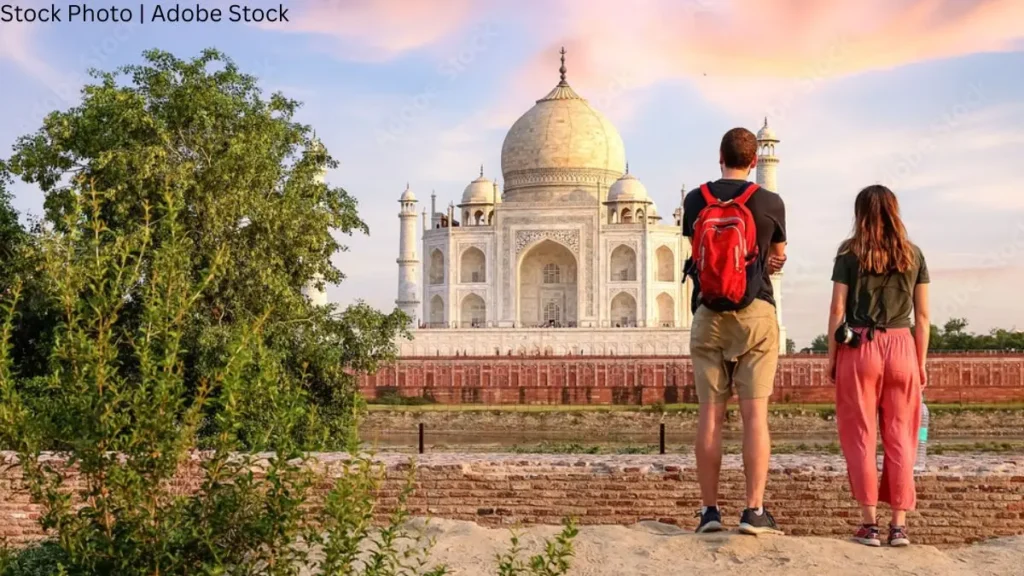
Despite the advisories, India was named the No. 1 solo travel destination for 2025 in the Kensington Travel Trends Report, based on surveys of North American luxury travelers. The ranking highlights India’s “alluring depth of history and culture” and its ability to fulfill deeper personal travel needs.
India welcomed a record 20.57 million international tourists in 2024, surpassing the previous high of 17.91 million in 2019. In 2025, foreign tourist arrivals (FTA) fell 9.4% to approximately 9.02 million.
This decline was largely due to a 73% drop in arrivals from Bangladesh following visa restrictions amid political tensions. Without the Bangladesh drop, arrivals from other markets showed modest growth. The United States remains India’s top tourism source market, while visitor numbers from Canada continue to grow.

Popular destinations such as the Taj Mahal, Goa beaches, and Rajasthan continue to draw many solo and leisure travelers.
Impact on Airlines: Air Canada, British Airways, and United Airlines
Canada’s heightened advisory has caused noticeable ripple effects on air travel:
- Air Canada — The carrier faces reduced demand on routes to Delhi, Mumbai, and Bangalore. Corporate and premium-cabin bookings have declined significantly. The situation is worsened by a major flight attendant strike in 2025 that caused over 100,000 rebookings, combined with higher fuel costs from rerouting to avoid Middle East airspace restrictions.
- British Airways and United Airlines — Both carriers rely on connecting traffic from Canada through their hubs (London Heathrow, Newark, Chicago, San Francisco). Softer Canadian demand has led to schedule adjustments, reduced fare availability, and lower revenue on India-linked routes.
Many travelers are now reassessing or postponing trips, especially business travelers. This has forced airlines to review flight frequencies, aircraft deployment, and network planning for 2026.
Insurance, Corporate Policies, and Practical Challenges
- Travel insurance policies often exclude or limit coverage for destinations under “Avoid non-essential travel” advisories, even if the traveler’s specific destination is not in the highest-risk zone.
- Corporate travel managers are conducting stricter risk assessments, requiring extra approvals, or discouraging non-essential trips to India. Many companies have shifted to virtual meetings.
- Visa processing, entry rules, and documentation requirements add further uncertainty.
Travelers are strongly advised to review their insurance policy wording carefully — especially sections related to government advisories — and consider flexible or “cancel for any reason” coverage where available.
Practical Tips for Canadian Travelers Planning a Trip to India in 2026
If you decide to travel despite the advisory:
- Strictly avoid Manipur, Jammu & Kashmir, and areas near the Pakistan border.
- Stay away from rural Naxalite-affected zones.
- Monitor the official Global Affairs Canada advisory page regularly.
- Purchase comprehensive travel insurance and keep emergency contacts (including the Canadian High Commission) handy.
- Women travelers should consider group travel or reputable guides in crowded areas.
- Use official taxis/apps, avoid displaying valuables, and be cautious of scams at airports and tourist sites.
- Book flexible flight tickets and monitor your booking frequently for changes.
What to Watch in the Coming Weeks
Airlines may continue to adjust schedules based on demand. Passengers should check their bookings often through airline apps and email, allow extra connection time, and keep contact details updated.
While some routes to major cities like Delhi, Mumbai, and Bangalore may remain relatively stable, overall demand from Canadian travelers has softened due to the combination of the advisory and ongoing diplomatic tensions between Canada and India.
(FAQ)
Is the entire country of India unsafe?
No. Most popular tourist destinations operate under Level 2 (“high degree of caution”). The stricter warnings apply mainly to specific regions like Manipur and Jammu & Kashmir.
Will my travel insurance cover a trip to India?
Coverage varies. Many policies limit or exclude protection in “Avoid non-essential travel” areas. Always read the fine print and confirm with your provider.
Are flights to India being cancelled because of the advisory?
There is no outright ban, but reduced demand has led to more schedule changes, rebookings, and occasional cancellations, especially on Air Canada routes.
Why did India rank as the top solo destination despite the warnings?
The ranking is driven by its rich culture, history, and diverse experiences that appeal strongly to solo travelers seeking meaningful journeys.
Should I cancel my planned trip to India?
It depends on your risk tolerance, travel purpose (essential vs leisure), destination within India, and insurance coverage. Review the latest official advisory before deciding.
Conclusion
Canada’s travel advisory highlights real security concerns in certain parts of India, particularly Manipur and border regions. However, millions of tourists continue to visit popular destinations successfully each year with proper precautions. Canadian travelers should weigh the risks carefully, stay informed through official sources, and prioritize safety and flexibility when planning any trip to India in 2026.
Have you traveled to India recently or are you planning a trip? Share your thoughts or questions in the comments below. For the latest updates, regularly check the official Global Affairs Canada travel advisory page.