FBI Uses Forensics, AI, Shoe & Purchase Data to Solve Years-Long Investigation Amid Political Debate, Digital Evidence, and Domestic Terrorism Threats
First Arrest in D.C. Pipe Bomb Case: On December 4, 2025, federal officials shared big news. They arrested a man connected to the pipe bombs found in Washington, D.C., before the January 6, 2021 attack.
The D.C. pipe bomb case was one of the hardest mysteries from the January 6 attack. Two real pipe bombs were placed secretly on January 5, 2021. One was outside the RNC building. The other was outside the DNC building. They were put there only hours before the Capitol was stormed by Trump supporters. The bombs were simple but dangerous. They were made from steel pipes. They were filled with black powder and small metal pieces. They had 9-volt batteries and kitchen timers from Walmart. They were set to explode around 1 a.m. on January 6. But they did not go off. Police found them during the chaos the next day. Their discovery pulled officers away from the Capitol and made the day even more unsafe.
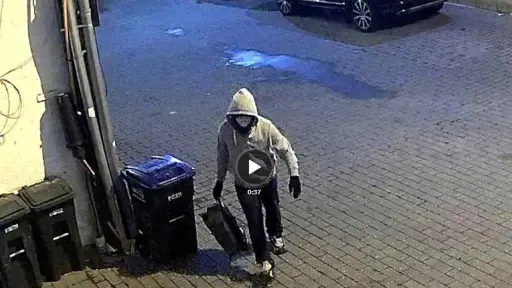
The investigation lasted almost five years. It was called “Operation Janus.” The FBI interviewed more than 1,000 people. They studied 39,000 video files from 1,200 places. They offered a $500,000 reward. They got 600 tips. Still, nothing helped. This led to many conspiracy theories. Some people claimed it was an inside job. Others blamed the government. A 2025 House report criticized security failures. Fox News and other outlets repeated unproven ideas. The FBI released videos of a hooded suspect wearing Nike Air Max Speed Turf shoes. But the case stayed open.
Everything changed on December 4, 2025. The FBI arrested Brian Jerome Cole Jr., a 30-year-old from Woodbridge, Virginia. Officials said they found him by carefully rechecking old evidence. There was no new big tip. His arrest is seen as a major breakthrough. But it also raises new questions about motive, responsibility, and what really happened during that troubled week.
Fresh Review of Evidence Leads to Key Breakthrough
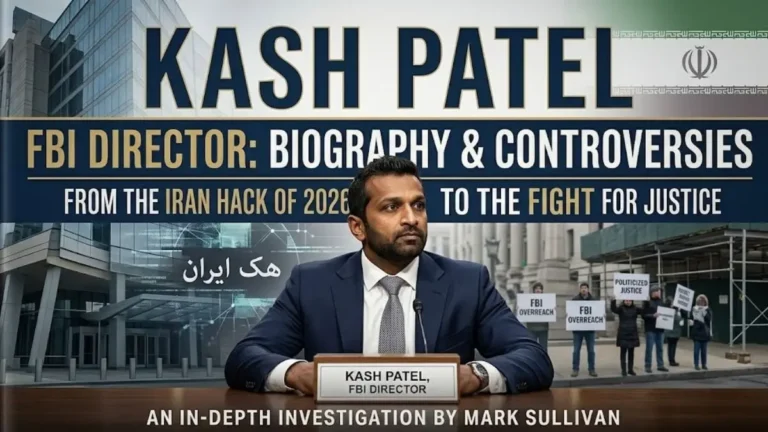
The new review of the D.C. pipe bomb evidence began after a shift in focus inside the Department of Justice. The Trump administration told the FBI to prioritize old, unsolved cases. Attorney General Pam Bondi and FBI Director Kash Patel pushed this case to the top. Many Trump supporters believed the unsolved bombs showed failure under the Biden administration. This added more pressure.
In early 2025, Patel took charge. Dan Bongino became Deputy Director. Both had talked about “inside job” theories before. A special task force was then created. It included the FBI, ATF, Capitol Police, and D.C. Police. Their goal was to go through all old data again. They did not wait for new tips. They reviewed millions of financial records, cellphone logs, and video files collected back in 2021 and 2022.
New forensic tools helped a lot. Updated software made the surveillance videos clearer. It helped confirm the suspect’s walking style, height, and Nike shoes. Chemical tests on bomb parts also matched items bought earlier. The digital trail became the key. Cole’s cellphone data matched the suspect’s path on January 5. A license plate camera caught his 2017 Nissan Sentra near the bomb sites. Financial records showed he bought pipes, end caps, batteries, timers, and wires. He bought them from Home Depot, Lowe’s, and Walmart in 2019 and 2020. The buying pattern looked planned. He even bought more items after the incident.
U.S. Attorney Jeanine Pirro said it was like “finding a needle in a haystack.” She praised the careful work that finally connected all the clues after many years.
FBI Arrests Suspect in D.C. Pipe Bomb Investigation
Brian Jerome Cole Jr. is 30 years old. He lives in Woodbridge, Virginia. Court papers say he is 5’6″. He wears glasses. He works at a bail bonds office that handles immigration cases.
He became the main suspect after years with no name. He has no criminal record except small traffic tickets. Investigators found some statements linked to anarchist ideas, but officials still do not know his real motive.
His arrest happened early on December 4, 2025. It was quiet and without any fight. FBI agents took him from his family home. The house is a five-bedroom place in a quiet cul-de-sac in Prince William County, about 30 miles from D.C. He lived there with his mother and other relatives.
Agents wore hazmat suits. They searched the yard, the street, and the inside of the home. They looked for chemical traces, devices, or any other evidence. The search went on until the afternoon. Neighbors said they were shocked because he always seemed normal.
Cole finished high school in 2013. After the arrest, agents took him to D.C. for processing. He now faces federal charges. These include transporting an explosive device across state lines and attempted malicious destruction using explosives. Each charge can bring up to 20 years in prison.
The prosecutor is Jocelyn Ballantine, who is known for handling Proud Boys cases from Jan. 6. Cole had his first court appearance on December 5 before Magistrate Judge Robin M. Meriweather.
There is no proof he took part in the Capitol riot. He did not go to Trump’s rally and did not enter the Capitol. But the bombs found on January 6 pulled bomb squads and K-9 teams away from the area around 1 p.m. This may have made the security breach worse, according to a 2025 House report. Still, officials say this case stands alone as domestic terrorism.
Attorney General Bondi & FBI Director Patel Address the Media
The Justice Department held a press conference on December 4, 2025, in Washington, D.C. It aired live on C-SPAN and major TV networks. The speakers were Attorney General Pam Bondi, FBI Director Kash Patel, Deputy Director Dan Bongino, and U.S. Attorney Jeanine Pirro. They all called the arrest a big win for the Trump administration. They avoided questions about motive and conspiracy theories.
Bondi started the event with strong words. She said the arrest happened because the Trump team made the case a priority. She said the case sat still for four years until Patel and Bongino took over at the FBI. She said the country is safer now and promised more charges as the investigation continues.
Patel also spoke firmly. He said, “We solved it.” He added that an attack on the nation’s capital is an attack on the American way of life. He said the FBI will always protect its officers and prosecutors. He described the work as a fresh, detailed review of millions of data points. He said the suspect, accused of placing explosive devices, is now in custody.
Bongino, who once pushed “inside job” claims, celebrated the result. He said the case held millions of pieces of data and called the arrest a “huge win.” He praised the weekly briefings and extra resources added since May 2025.
Pirro talked about the hard forensic work. She said investigators reviewed 233,000 sales of end caps used in devices. Behind the speakers was a poster showing the suspect’s image from surveillance footage.
The press conference drew quick criticism for being too political. But officials said they wanted to be transparent. Bondi refused to discuss the suspect’s alleged anarchist beliefs. She said the investigation is still ongoing.
Background of the 2021 D.C. Pipe Bomb Case
The story started on January 5, 2021, between 7:39 p.m. and 8:24 p.m. A hooded suspect drove a dark sedan and parked nearby. He placed a backpack with the RNC bomb in an alley behind a building. It was near a park bench and a trash can. He also put the DNC device on a nearby bench. Both spots were very close to where Vice President-elect Kamala Harris would visit the next day.
The bombs were not found for almost 17 hours. The RNC bomb was seen at 12:47 p.m. on January 6 by a Capitol Police officer. The DNC bomb was spotted at 1:07 p.m. by a Secret Service agent. Harris was evacuated just as the mob broke barriers. FBI bomb technicians made both bombs safe by early afternoon. But the bombs distracted officers and used up resources. A 2025 congressional report criticized how pre-riot sweeps were done.
The investigation started immediately. The Joint Terrorism Task Force subpoenaed store records, geofenced cell phone data, and analyzed the suspect’s walk on video. They found 233,000 component records but hit dead ends. Rewards for information grew from $100,000 in 2021 to $500,000 in 2023. Annual videos in January 2025 showed the suspect’s path, but no one recognized him.
The FBI shared grainy images publicly. The suspect was a medium-build figure in a gray hoodie, dark pants, gloves, a mask, and gold-logo Nikes. Tips came in, but no one could identify him. There were theories, from Bongino’s “federal plot” claims to TV shows matching gait on camera. All of these were proven false when the FBI arrested him using evidence.
Key Evidence Used in the Arrest
Investigators used over 1,200 cameras and new AI tools in 2025. The footage showed the suspect’s movements clearly. It also identified his shoes as Nike Air Max Speed Turfs. His walk and car matched Cole. Advanced geofencing tracked his phone’s path.
Witnesses, more than 1,000 since 2021, were re-interviewed. Neighbors had seen Cole’s Nissan, which helped the case. Most of the work came from digital forensics. Subpoenas showed he bought bomb-making parts in 2019-2020. These included six galvanized pipes, black and galvanized end caps, 9V batteries, kitchen timers, wires, steel wool, battery connectors, gloves, goggles, wire-strippers, and a machinist’s file. All matched bomb components. Purchases after January 2021 suggested he kept planning activity.
Private data tools, like Palantir, were used. They checked 233,000 end-cap sales and 1,200 shoe receipts. This pointed to Cole’s credit cards. Cellphone pings and a license plate reader confirmed he was at key locations. Together, this created a strong chain of evidence without needing new witnesses.
How the Arrest Impacts the Jan. 6 Investigation
Cole’s arrest shows no direct ties to Jan. 6 planning. He did not attend the rally or enter the Capitol. But his bombs distracted bomb squads and K-9 units around 1 p.m. on January 6. This may have indirectly helped the breach.
Federal officials are looking for possible wider networks. Cole is accused of having anarchist views. Searches of his home found documents that might point to co-conspirators. Patel said, “The investigation continues… more charges may be added.” Future charges could involve threats across states or groups with similar beliefs.
Officials emphasized the wider impact. Bondi said, “We’re dealing with an individual accused of making bombs… this FBI will combat it.” A D.C. police chief said the case strained resources. It also supports broader Jan. 6 investigations into diversions.
Experts think the case may reveal hidden connections, like financial links to extremists. It could strengthen the FBI’s record, which already includes over 1,400 Jan. 6 convictions.
Public and Political Reaction
Lawmakers reacted along party lines. House Speaker Mike Johnson praised the Trump DOJ’s quick action. He credited Patel and Bongino for “delivering justice where Biden failed.” Senate Minority Leader Chuck Schumer said it was “welcome news but long overdue” and called for investigations into the delay.
Security experts, like former FBI agent Ali Soufan, praised the forensic work as “textbook persistence.” But they criticized politicization, noting Bongino’s past theories hurt public trust. D.C. Mayor Muriel Bowser said, “Washingtonians can rest easier.”
Social media exploded. #PipeBombArrest trended with 2.5 million posts. MAGA supporters cheered: “Finally, no deep state! – @realDonaldTrump.” Left-leaning users questioned the timing: “Why now? – @AOC.” Unverified photos and “anarchist” labels spread misinformation. The FBI issued warnings.
DNC Chair Ken Martin welcomed closure. The RNC stayed silent. Trump had issued over 1,500 Jan. 6 pardons, making their silence notable.
What Happens Next
Cole’s court process began on December 5, 2025. His first appearance was in D.C. Superior Court before Judge Meriweather. Prosecutors, led by Ballantine, asked for him to be held until trial. He faces two felony charges: transporting explosives and attempted destruction.
Additional penalties may apply for interstate commerce. A grand jury indictment is expected within 30 days. The trial could happen in mid-2026. If convicted, he could get up to 40 years in prison.
The FBI said it will give updates through press conferences and its website. They continue searching for accomplices or other devices. Patel confirmed weekly briefings to Congress.
Bondi said authorities are watching anarchist networks more closely. The $500,000 reward can be used for similar cases. Officials stressed they aim to prevent domestic terrorism before it happens.
Final Thought
This arrest is very important. It stopped not only real bombs but also a web of conspiracy and distrust. Since January 6, these acts have shaken faith in institutions. The case shows that careful work and persistence can succeed over time and politics. It helps protect democracy.
The next steps include Cole’s trial, possible co-conspirator discoveries, and updated threat assessments. This will test the DOJ’s determination. Patel said, “We will always refute and combat it,” showing a strong stand against domestic threats.
In the end, the case reinforces public safety. In a divided country, solving a long, complex case proves that justice, even if delayed, still reaches all Americans.
FAQs
How was Brian Cole Jr. identified after years of no leads?
Cole was identified through a detailed review of old evidence using AI and digital forensics. Investigators matched his gait, vehicle, and Nike Air Max Speed Turf shoes to surveillance footage. They also traced purchases of bomb-making materials and verified his cell phone activity near the RNC and DNC on January 5, 2021.
Did political debates or conspiracy theories affect the investigation?
Yes, the case became entangled in partisan debates and conspiracy theories. Some politicians suggested the bombs were a setup against Trump supporters, including a theory involving a former Capitol Police officer. Despite this, the FBI continued evidence-led investigation, ultimately confirming Cole as the suspect.
How did the FBI finally make a breakthrough in the long-running pipe bomb case?
The breakthrough came from careful forensic work and evidence review. Investigators matched Cole’s phone activity to cell towers near the RNC and DNC, tracked his credit card purchases of bomb components, and identified his car near the crime scene using license plate readers. This combination of digital and physical evidence led to his arrest.
Why was it difficult to identify the bomber for so many years?
Several factors made identification hard. The surveillance videos were grainy, the bomber wore a hoodie, mask, and gloves, and it was a cold winter night during the pandemic, so face masks were common. The bombs were also placed 15 hours before discovery, giving the suspect plenty of time to leave without being seen.