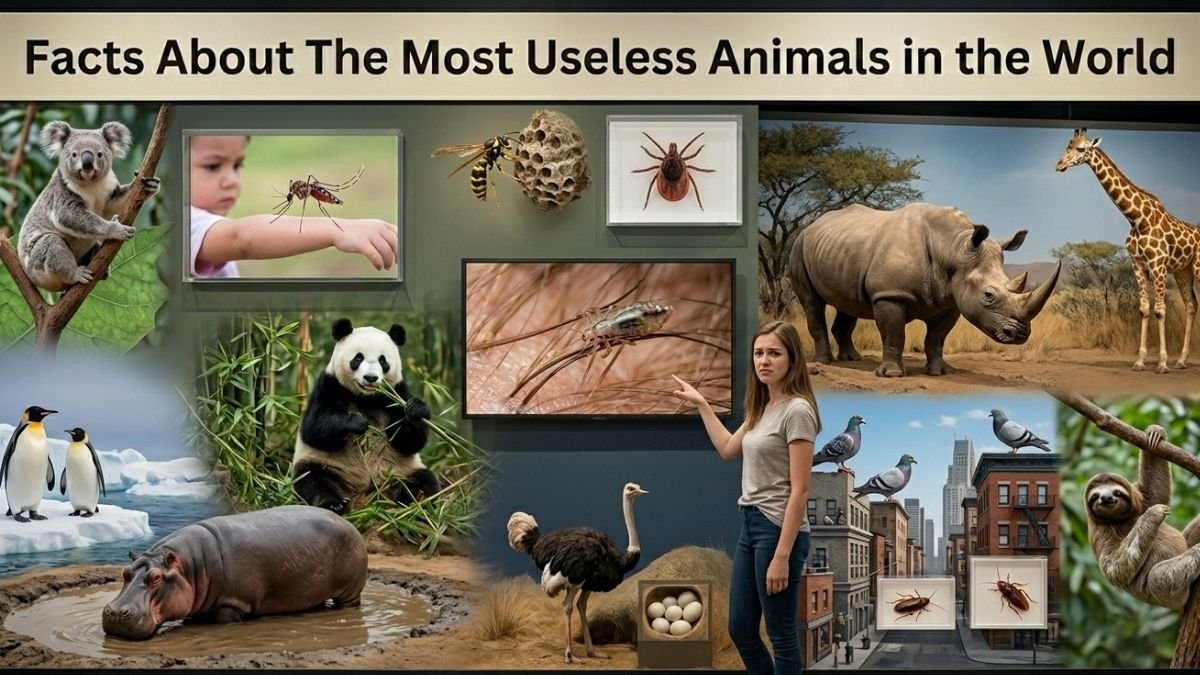
Some Facts About The Most Useless Animals in the World
Across the natural world, animals are known for their beauty, strength, and their role in keeping ecosystems balanced. However, people often call some species “useless” because their role does not seem important or is not easy to notice.
But nature almost never creates anything without a purpose. Even the most misunderstood animals can quietly help shape their environment or support other living things. Some animals may look “useless” at first, but if you observe closely, you will often find they have surprising and valuable roles.
The Most Useless Animals in the World
Koalas
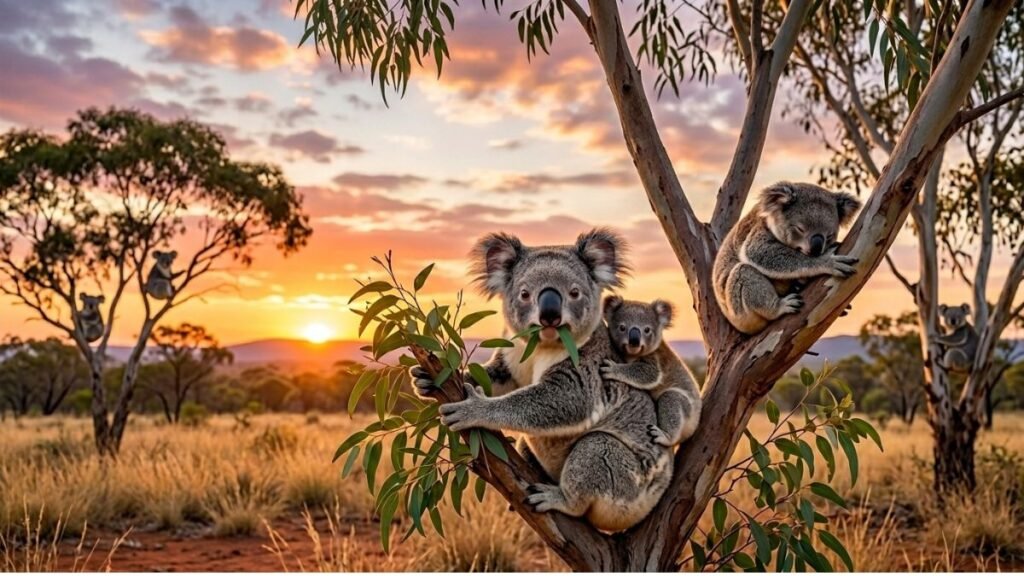
Koalas are often seen as lazy or useless animals because they sleep up to 22 hours a day. They eat only eucalyptus leaves, which have very low nutrition and are even slightly toxic. Because of this, koalas mostly just eat and sleep.
But this slow lifestyle is actually a survival strategy. They save energy because eucalyptus leaves do not give much fuel.
Koalas also play an important role in nature. By eating large amounts of eucalyptus leaves, they help control tree growth and support nutrient cycling in forests. Their droppings add nitrogen and phosphorus to the soil, which helps other plants grow. Their dependence on specific trees also influences the health and genetic diversity of eucalyptus forests. Koalas are also known as a “flagship species,” meaning protecting them helps protect large areas of Australian bushland and many other species that live there.
Mosquitoes
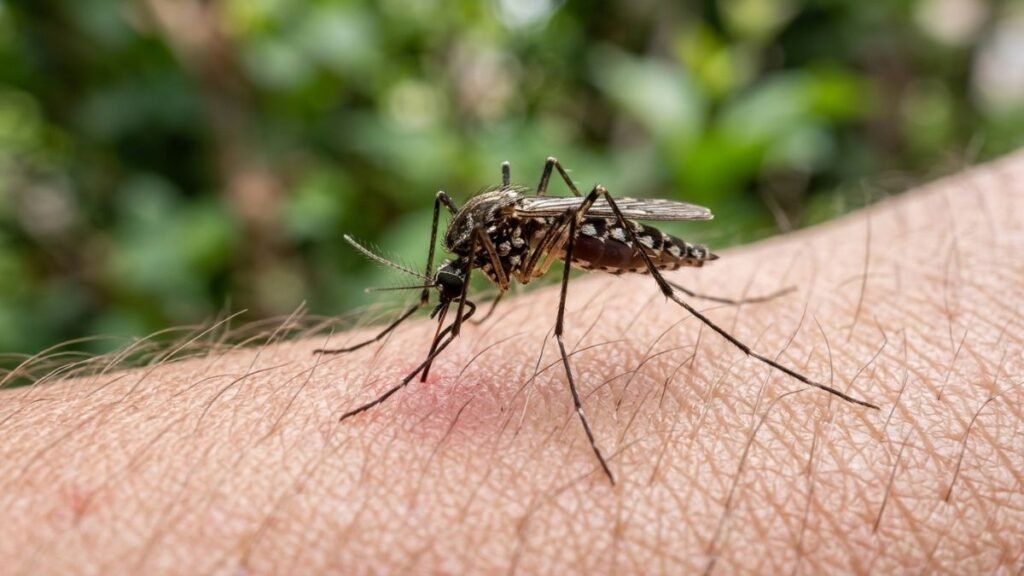
Mosquitoes are widely hated because they are dangerous pests. They spread serious diseases like malaria, dengue, Zika, West Nile virus, and yellow fever. They are responsible for more than 700,000 human deaths every year, which is why they are often called the deadliest animals on Earth.
But mosquitoes also play an important role in nature. They are a food source for many animals like birds, bats, frogs, dragonflies, and fish. In Arctic regions, mosquitoes are so common that they become an important part of the diet for migratory birds, and removing them could disturb bird migration patterns.
Mosquito larvae also help aquatic ecosystems by breaking down organic matter and recycling nutrients in water. In some tropical areas, adult mosquitoes even act as pollinators for plants like orchids and other flowers.
Wasps
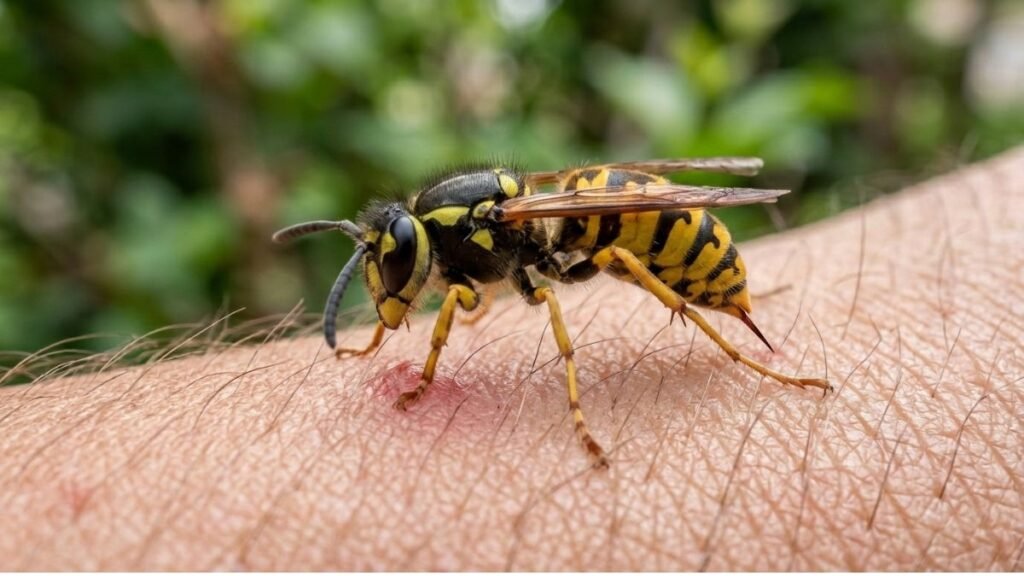
Wasps are often seen as harmful or useless because they sting painfully, behave aggressively, and build nests in places people don’t like. Unlike bees, they do not produce honey or wax, which makes people think they are less useful.
However, wasps play a very important role in nature. They are natural predators that hunt and control crop pests like caterpillars, aphids, and flies. This helps farmers by reducing the need for chemical pesticides and saving crops.
Wasps also act as natural pest control in ecosystems, keeping insect populations balanced. Some species, like fig wasps, are essential for pollinating fig trees, which support hundreds of other rainforest species. In addition, scientists are studying wasp venom for possible medical uses, including cancer research.
Ticks
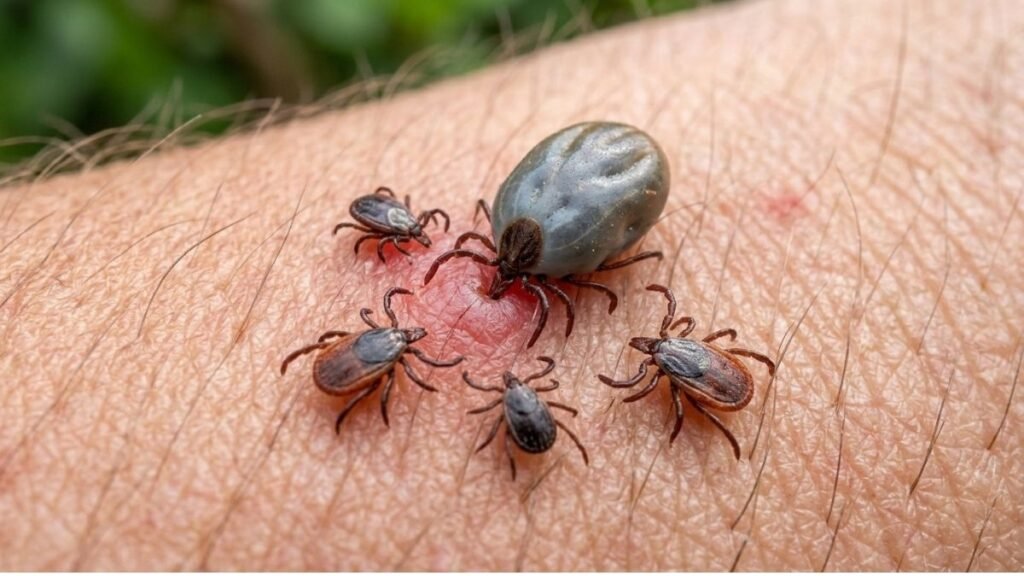
Ticks are widely disliked because they attach themselves to animals and humans to feed on blood. They can also spread dangerous diseases like Lyme disease, Rocky Mountain spotted fever, and tick-borne encephalitis. Because of this, they are considered one of the most medically important parasites in the world.
Compared to many animals, ticks have limited benefits in nature, but they are still part of the food chain. Birds, reptiles, and some amphibians feed on them, helping control their numbers.
Ticks may also slightly affect wildlife populations by feeding on large mammals. In addition, scientists are studying tick saliva because it contains special compounds that may help in medicine, especially for blood thinning and reducing inflammation.
Humans
Humans are often seen as the most powerful species on Earth, but they also have a major impact on the environment. Human activity drives problems like climate change, mass extinction of species, habitat destruction, ocean pollution, and plastic waste. In many cases, humans disrupt natural systems instead of supporting them.
Unlike other animals, humans produce large amounts of waste that nature cannot easily break down, which adds extra pressure on ecosystems.
However, humans are also unique because of their intelligence and ability to think, create, and solve problems. We develop science, technology, art, and culture. Most importantly, humans are the only species that can understand environmental damage and take action to fix it. This means humans can either harm nature on a large scale or help restore and protect it.
Pandas
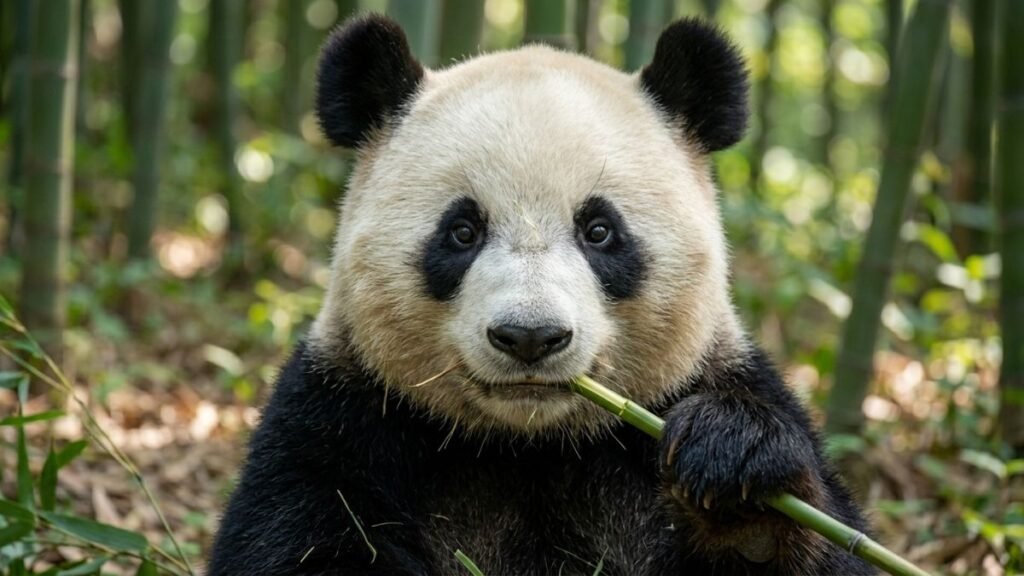
Giant pandas are often called “evolutionary dead ends” because they mainly eat bamboo, even though their body is built like a carnivore. They also reproduce very slowly, and female pandas can only become fertile for 24 to 72 hours each year, which makes breeding difficult.
However, pandas still play an important role in nature. By feeding on bamboo, they help control bamboo forest growth and support the balance of these ecosystems. Healthy bamboo forests provide shelter and food for many other animals, including snow leopards, red pandas, and golden monkeys.
Pandas also help protect entire habitats because they attract global conservation efforts. A lot of funding goes into saving them, and this indirectly protects large areas of forest and many other species. The panda has also become a global symbol of conservation, with organizations like WWF using it to raise awareness and support for wildlife protection around the world.
Rhinoceroses
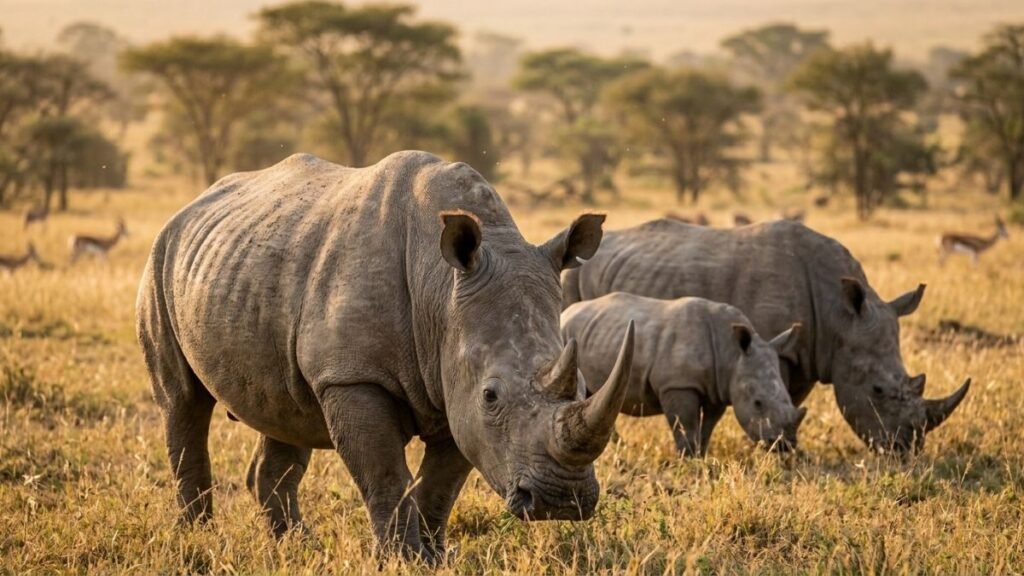
Rhinoceroses are sometimes seen as large, slow animals that only eat grass and do not do much for the environment. Because they mainly graze and move heavily across land, some people wrongly think they have little ecological value compared to other major wildlife species.
But rhinos actually play an important role in savanna ecosystems. They graze in a selective way, which helps prevent one grass type from taking over and keeps plant life more balanced. As they move, they create paths through dense vegetation and form wallows that smaller animals use for shelter and cooling.
Their dung also spreads seeds and returns nutrients to the soil, which supports plant growth. In this way, rhinos help maintain open grasslands that many other animals depend on. Scientists have also found that chemicals in rhino dung can influence the behavior of other wildlife. Sadly, heavy poaching has reduced rhino populations, and this loss is already affecting the health and balance of African savannas.
Giraffes
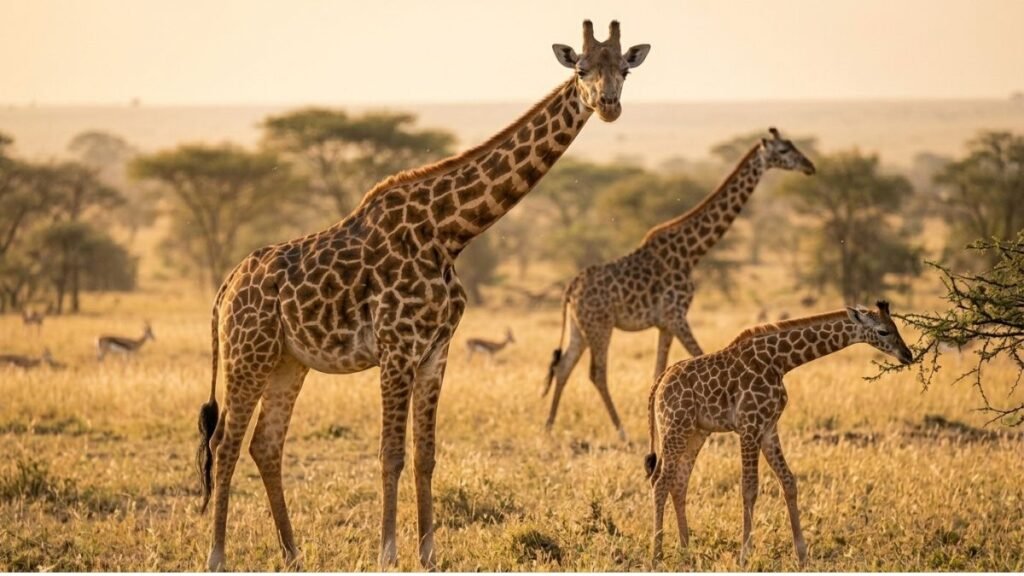
Giraffes are often seen as unnecessary because they mainly eat leaves from tall trees, and other animals can also feed on vegetation at lower levels. Their very long neck may look like a strange feature with no special purpose.
But giraffes actually help shape their environment. By feeding on the upper parts of trees like acacia, they help control tree growth and encourage new branches to grow. This makes the trees healthier and more balanced in structure.
They also spread seeds through their dung and even saliva, helping plants grow in new areas. Their feeding creates small openings in the tree canopy, which allows sunlight to reach the ground and supports smaller plants and birds. Giraffes are also an important food source for predators like lions, leopards, and crocodiles, helping maintain the balance of the food chain.
Penguins
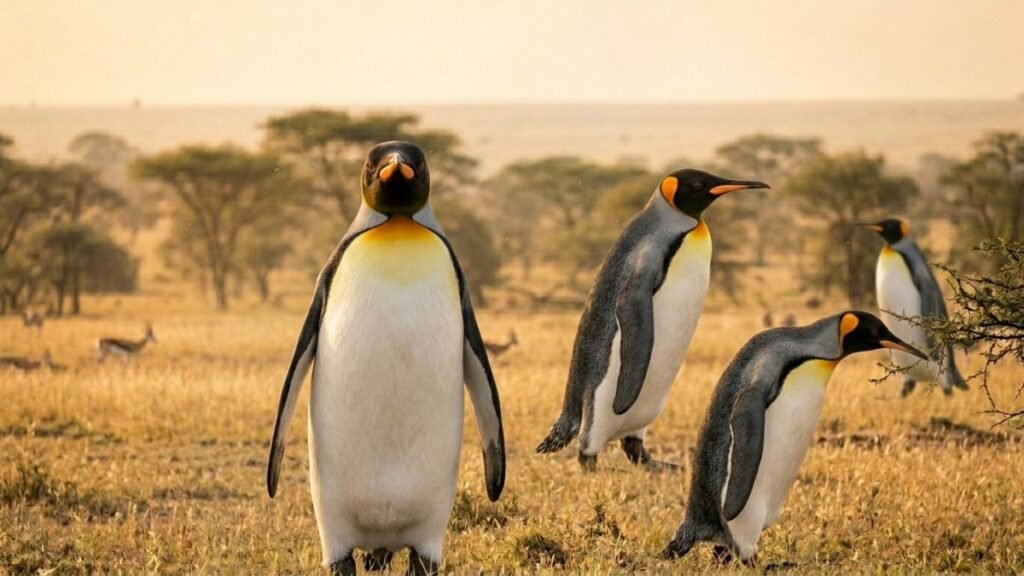
Penguins are often seen as awkward birds because they cannot fly and move clumsily on land. They also face strong predators in the ocean, which makes them look vulnerable and less important in the ecosystem.
However, penguins play a very important role in nature. They move nutrients from the ocean to the land through their droppings, known as guano. This guano is rich in nitrogen and phosphorus, which helps plants grow in coastal and island environments that are usually poor in nutrients.
Large penguin colonies can greatly improve soil fertility and support local plant life. Penguins are also important indicators of climate change and ocean health. When their populations change, it often signals shifts or problems in the marine ecosystem, helping scientists track environmental changes early.
Hippopotamuses
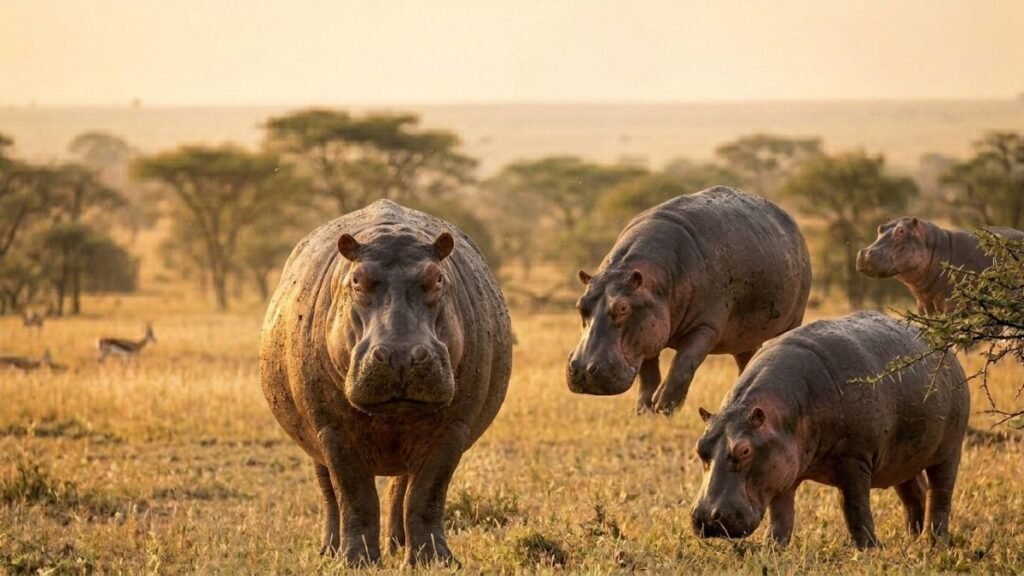
Hippos are often seen as slow, lazy animals because they spend most of their day in rivers and look inactive. They are also very dangerous and are responsible for hundreds of human deaths every year in Africa, which adds to their negative image.
But hippos play a powerful role in ecosystems. Every night, they leave the water to graze on land and then return to rivers, carrying nutrients between both environments. Their dung adds important nutrients to water, which helps fish and other aquatic life grow. These fish are a major food source for many human communities.
Hippos also shape rivers by creating channels and pools when they move and wallow, which helps hold water during dry seasons. This supports many species during droughts. In areas where hippos disappear, river ecosystems can become less healthy and lose biodiversity quickly.
Ostriches
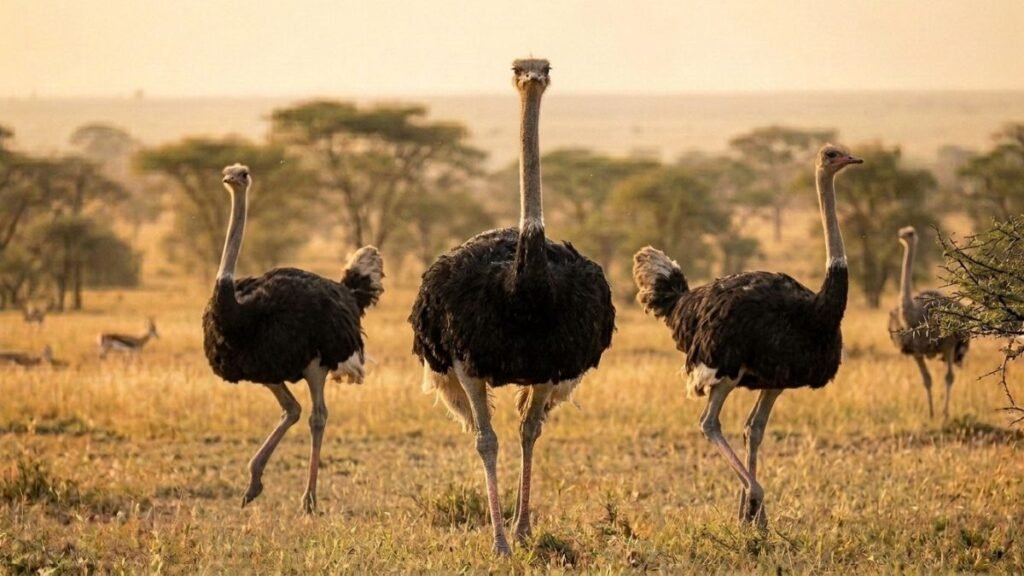
Ostriches are often seen as strange birds because they cannot fly and rely only on running for survival. Some people think they are not very important in nature.
However, ostriches play a useful role in savanna ecosystems. They spread seeds across large areas through their droppings, helping plants grow in different regions.
Their strong eyesight and behavior also help other animals. Zebras and antelopes often stay near ostriches because they act as early warning signals for predators. Ostrich eggs are also an important food source for scavengers like jackals and vultures, helping support the food chain.
Pigeons
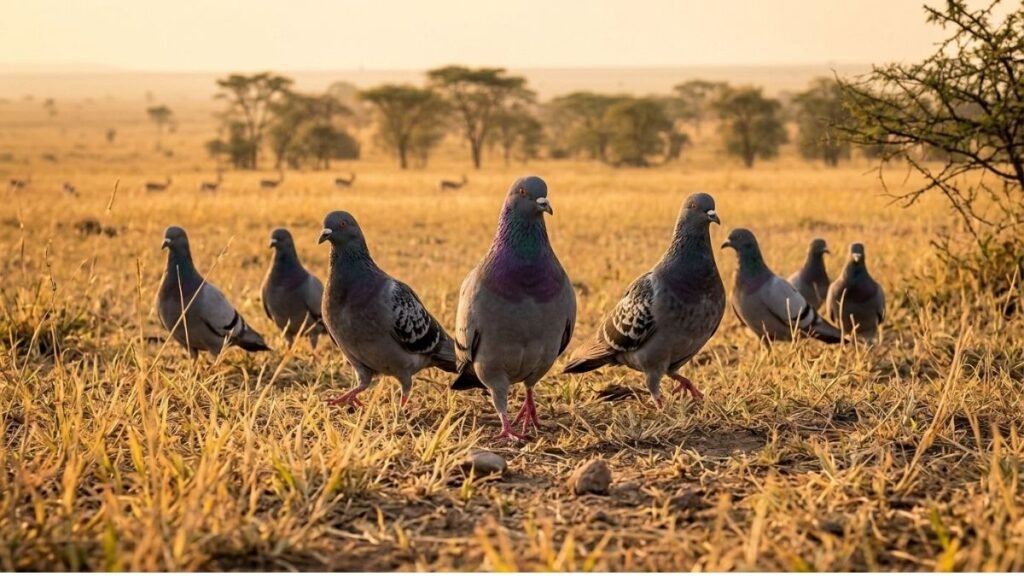
Pigeons are often called “rats with wings” because they gather in cities, dirty buildings and cars with their droppings, and are sometimes linked to diseases like histoplasmosis and ornithosis. Because they live so closely with humans, people often think they have no real value.
But pigeons have played an important role in human history. For thousands of years, they were used to carry messages across long distances. During both World Wars, homing pigeons delivered critical messages that helped save many lives.
In nature, pigeons are also part of the food chain. Birds of prey like peregrine falcons hunt them in cities, which has helped these raptor populations recover in many urban areas. Pigeons also spread seeds, which can support plant growth and increase biodiversity in cities.
Cockroaches
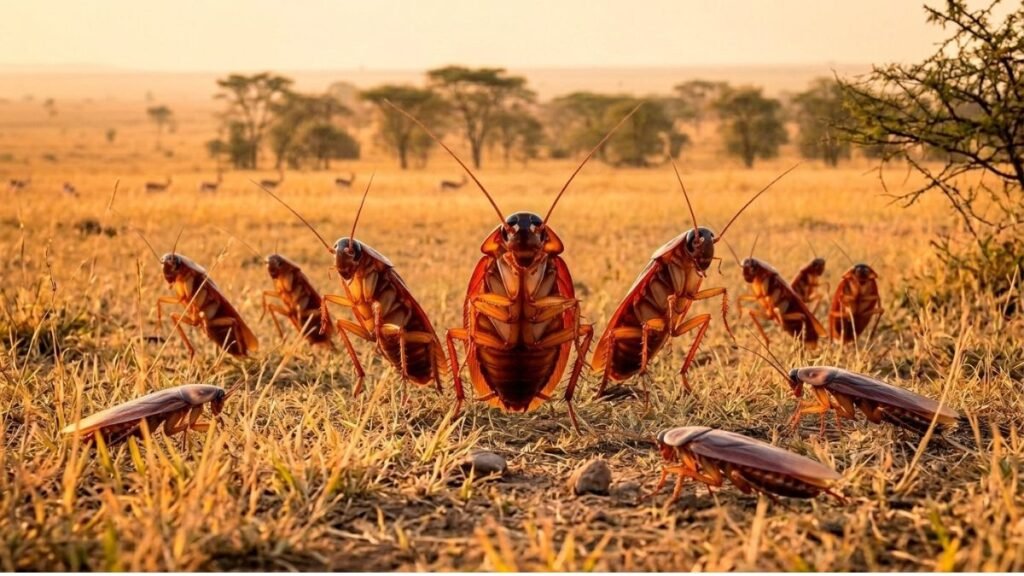
Cockroaches are widely seen as dirty pests because they live in unhygienic places and can spread harmful bacteria like Salmonella and E. coli. They are very hard to kill and can survive in extreme conditions, which makes them even more disliked.
However, cockroaches also have an important role in nature. They break down dead plants and organic waste, helping recycle nutrients back into the soil. This makes them important decomposers, especially in tropical ecosystems.
They are also a food source for many animals, including birds, reptiles, and small mammals. Some species even produce a nutrient-rich “milk” that scientists are studying for possible food and health benefits. Interestingly, cockroaches spend a lot of time cleaning themselves, which shows they are not as “dirty” as people often think.
Sloths
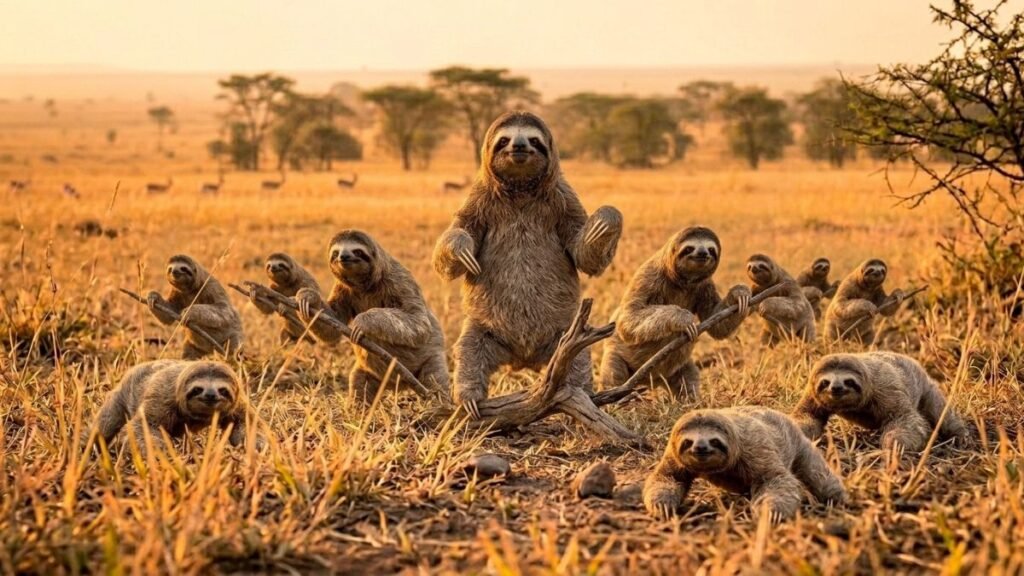
Sloths are often mocked for being extremely slow and inactive. They sleep up to 20 hours a day and move so slowly that food can take nearly a month to fully digest. Their weak muscles even make it impossible for them to shiver, so they rely on sunlight to warm up.
But sloths play a surprising role in nature. Their fur is like a tiny ecosystem that hosts algae, fungi, and even special moth species found nowhere else. The green algae on their fur may help them blend into trees and may also have useful medicinal properties being studied by scientists.
Sloths also help spread seeds as they move through trees, even though they move very slowly. Their slow digestion actually helps plants because seeds pass through their bodies over long periods and get spread across different parts of the forest.
Lice
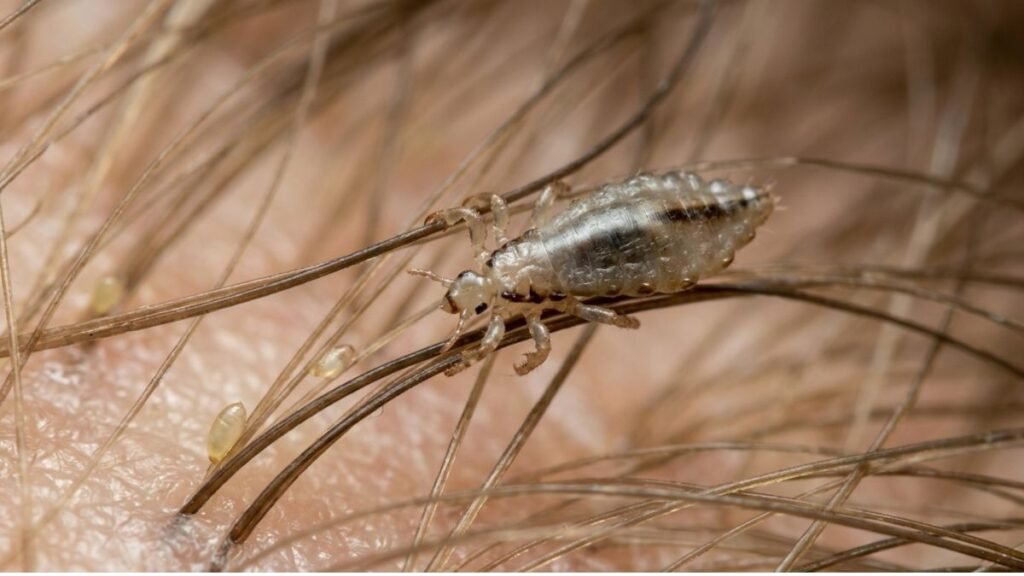
Lice are widely hated because they live on human bodies, feed on blood or skin, and cause constant itching. They can also spread diseases like typhus, which makes them a serious health concern.
However, lice still have a small place in nature. They are eaten by some animals, especially chimpanzees during grooming behavior, which helps build social bonds.
Lice have also helped scientists understand human history. By studying different types of lice, researchers discovered clues about when humans started wearing clothes. Body lice evolved separately from head lice around 100,000–170,000 years ago, giving scientists a kind of natural timeline of early human life.
🌍 Final Thought
Nature does not really create “useless” animals. Every species has a role, even if it is small or hard to notice. Some animals support ecosystems in hidden ways, while others help scientists understand history, health, or the environment. The real challenge is not deciding if a species has value, but learning how it fits into the bigger picture of life on Earth.
Sources: Vulture, DW, World Wildlife Fund, Britannica, ScienceDirect, The Nature Conservancy, WHO, IUCN Red List