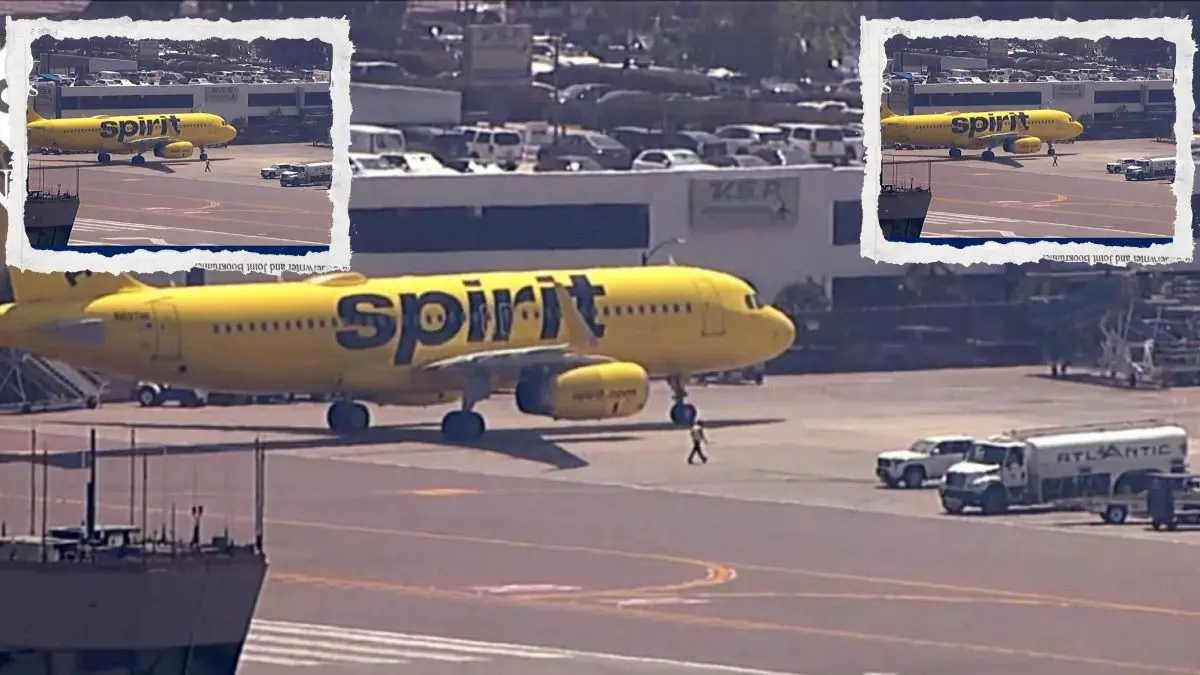
Spirit Airlines Shuts Down After 34 Years: Bankruptcy, Liquidation, Stranded Passengers, and What Happens Next
The era of ultra-cheap yellow flights has officially come to an end.
Spirit Airlines shutdown has ceased operations after 34 years in business, marking one of the most dramatic airline collapses in modern American aviation history. The shutdown has stranded thousands of passengers, left more than 17,000 workers facing uncertainty, and triggered concerns about rising airfare prices across the United States.
The airline abruptly stopped flights on May 2, 2026, after bankruptcy restructuring efforts failed and liquidation became unavoidable. What once was America’s largest ultra-low-cost carrier is now another casualty of rising fuel costs, mounting debt, failed merger attempts, and a rapidly changing airline industry.
Why Did Spirit Airlines Shut Down?
Spirit Airlines had been struggling financially for years.
The company first filed for Chapter 11 bankruptcy protection in late 2024, hoping restructuring efforts would stabilize operations. But despite cost-cutting plans, layoffs, route reductions, and attempts to reorganize debt, the airline’s financial situation continued deteriorating.
By 2026, several major problems collided at once:
- Rising jet fuel prices linked to Middle East tensions and the Iran conflict
- Heavy debt and operating losses
- Increased competition from larger airlines offering “basic economy” fares
- Failed merger deals with JetBlue and Frontier
- Reduced profit margins in the ultra-low-cost airline market
Industry analysts say Spirit’s business model became increasingly difficult to sustain because major airlines copied many of its low-fare strategies while offering better reliability and customer experience.
What Happened to Passengers?
The shutdown happened with little warning, creating chaos for travelers across the country.
Thousands of flights were canceled almost immediately, leaving passengers stranded at airports with limited information. Spirit announced it would refund tickets booked directly through the airline, but customers who used third-party booking services may face more complicated reimbursement processes.
Several competing airlines, including major U.S. carriers, stepped in to offer discounted “rescue fares” to affected travelers. Some airlines also assisted stranded Spirit employees trying to return home after operations ceased.
Transportation officials warned customers not to go to airports expecting Spirit customer service assistance because the airline’s operational systems had effectively shut down.
Thousands of Employees Suddenly Face Uncertainty
Perhaps the biggest impact has been on employees.
Spirit Airlines employed roughly 17,000 workers, including:
- Pilots
- Flight attendants
- Mechanics
- Customer service staff
- Airport personnel
Many workers reportedly learned of the shutdown only shortly before flights stopped operating. In the months leading up to the collapse, Spirit had already furloughed hundreds of pilots and planned major staffing reductions.
The collapse also devastated smaller airports heavily dependent on Spirit service.
One of the hardest-hit locations was Arnold Palmer Regional Airport in Pennsylvania, which lost all commercial passenger service overnight because Spirit was its only airline provider.
The Failed JetBlue Merger That Changed Everything
Many aviation experts believe Spirit’s downfall accelerated after a federal judge blocked JetBlue’s proposed acquisition of the airline in 2024.
The merger was intended to strengthen Spirit financially, but regulators argued the deal would reduce competition and increase ticket prices for consumers. After the merger collapsed, Spirit remained financially vulnerable and struggled to recover.
Frontier Airlines also explored acquisition talks, but negotiations failed to produce a long-term solution.
Spirit Airlines Changed Air Travel Forever
Despite criticism over baggage fees and tight seating, Spirit Airlines transformed the airline industry.
The airline pioneered the ultra-low-cost carrier model in the United States, making air travel affordable for millions of people who previously could not afford to fly regularly. Its aggressive low fares forced major airlines to create cheaper “basic economy” ticket options to compete.
Spirit became famous for:
- Extremely low base fares
- Optional add-on fees
- Bright yellow airplanes
- Bold advertising campaigns
- Budget-friendly vacation travel
At its peak, the airline flew to dozens of destinations across the U.S., Caribbean, and Latin America.
What Happens Next?
Liquidation proceedings are now expected to determine what happens to Spirit’s:
- Aircraft fleet
- Airport gates
- Equipment
- Remaining assets
Other airlines are already moving quickly to absorb routes previously operated by Spirit, especially in major markets like Florida, Las Vegas, and Orlando. Analysts warn that reduced competition could eventually lead to higher domestic airfare prices, especially for budget travelers.
Experts also believe the collapse may permanently reshape the future of ultra-low-cost airlines in America.
The End of an Airline Era
For millions of travelers, Spirit Airlines represented affordable vacations, quick getaways, and the ability to fly on tight budgets. While the airline often faced criticism, its impact on modern air travel was undeniable.
Now, after more than three decades in the skies, the bright yellow planes have officially stopped flying — closing the chapter on one of the most recognizable and controversial airlines in U.S. aviation history.