Roopal Patel and Nina Froes Fired: Trump Administration Sacks Immigration Judges After Blocking Pro-Palestinian Student Deportations
Roopal Patel and Nina Froes Fired: Trump Administration Sacks Immigration Judges After They Blocked Deportations of Pro-Palestinian Students Rumeysa Ozturk and Mohsen Mahdawi
The Trump administration has fired two immigration judges — Roopal Patel and Nina Froes — after they ruled against the government in high-profile deportation cases involving pro-Palestinian student activists. The dismissals occurred on Friday, April 11, 2026, and have raised fresh concerns about judicial independence in U.S. immigration courts.
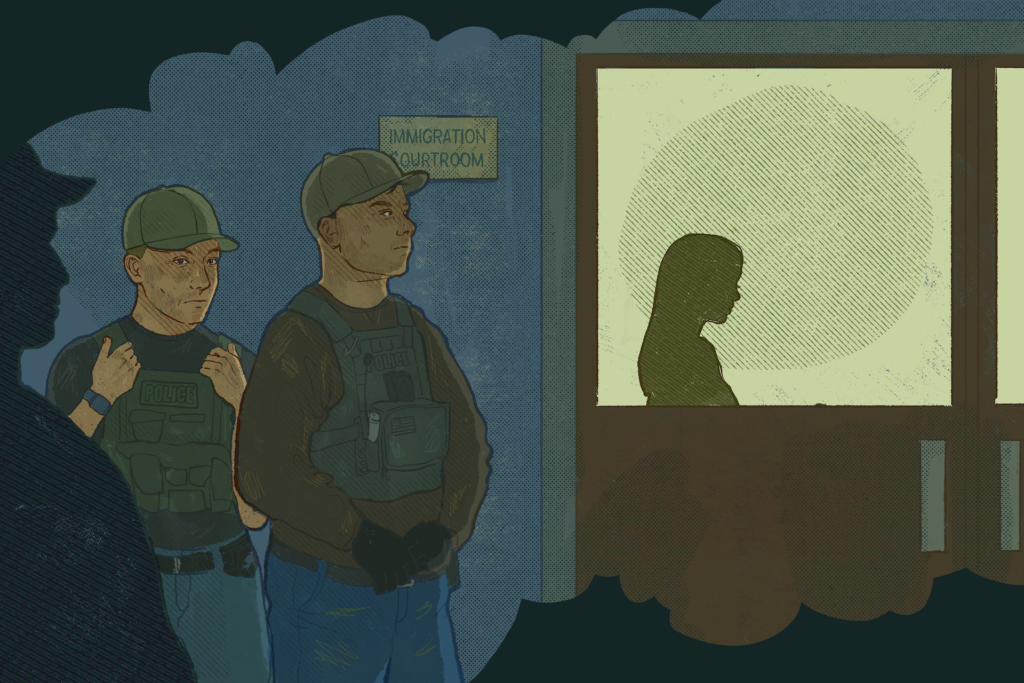
The two judges were terminated along with four other colleagues, making a total of six judges fired on the same day. This is part of a much larger purge: since President Trump took office in January 2025, the administration has dismissed more than 100 immigration judges out of roughly 750 who were on the bench at the start of his term.
The Cases That Led to the Firings
Judge Roopal Patel (Boston): In late January 2026, Judge Patel dismissed the deportation case of Rumeysa Ozturk, a Turkish PhD student at Tufts University studying children’s relationship to social media.

Ozturk was arrested by federal agents in March 2025 while walking near her apartment in Somerville, Massachusetts. Her F-1 student visa was revoked by the State Department under Secretary Marco Rubio, citing foreign policy concerns linked to an op-ed she co-wrote in the Tufts Daily. The article criticized the university’s handling of protests over the Israel-Gaza war and called for divestment from Israel-linked investments.
Judge Patel ruled that the Department of Homeland Security (DHS) had not shown that Ozturk could be removed, as there was no proof her actions violated immigration law beyond protected speech. She had been held in a Louisiana jail for weeks before a federal judge ordered her release.
Judge Nina Froes: In mid-February 2026, Judge Froes terminated removal proceedings against Mohsen Mahdawi, a 34-year-old Palestinian graduate student at Columbia University and legal permanent resident (green card holder).

Palestinian activist Mohsen Mahdawi, GS ’25, detained by ICE at naturalization appointment…image columbia spectator
Mahdawi was detained in April 2025 in Vermont during what he believed was a routine citizenship interview. He had helped plan pro-Palestinian protests on campus after the October 7, 2023, Hamas attack on Israel and helped establish Columbia’s Palestinian Student Union.
Judge Froes ruled that the government failed to meet its burden of proof and struggled with proper paperwork, including issues authenticating documents. Mahdawi spent two weeks in custody before a federal judge ordered his release on bail.
Broader Crackdown on Immigration Courts
Immigration judges are employees of the Department of Justice’s Executive Office for Immigration Review (EOIR) and do not have the lifetime tenure protections of Article III federal judges. This allows the Attorney General to hire and fire them at will.
The Trump administration has used this authority aggressively to:
- Clear massive backlogs inherited from the Biden era
- Drastically reduce asylum approval rates (now around 7% system-wide, the lowest since tracking began in 2009)
- Increase deportation orders
- Push judges to hear more cases per day and avoid delays
Newly hired judges (some with backgrounds as DHS prosecutors or military JAG officers) grant asylum in only 6–7% of cases. In contrast, judges who were later fired had approved asylum in about 46% of cases during this administration, compared to 15% for those who remained.
Some courts, such as those in San Francisco and New York, have lost a quarter or more of their judges.
The administration defends the changes as restoring “integrity” to a system it claims had become “de facto amnesty.” Critics, including immigration lawyers, say the moves create pressure on judges to deny claims, with threats of punishment for those perceived as too lenient. One lawyer involved in Ozturk’s case noted that procedural decisions that used to be normal “could now hurt your career.”
Reactions and Implications
The firings have made other immigration judges nervous. Lawyers for both students described the cases as attacks on First Amendment rights, arguing the students were targeted for what they wrote and said rather than for any criminal activity.
This latest action highlights the precarious position of immigration judges and the executive branch’s growing influence over who decides deportation and asylum cases. With fewer experienced judges and a clear push for stricter enforcement, the system is processing cases faster — but at the potential cost of impartiality.
The cases of Rumeysa Ozturk and Mohsen Mahdawi continue to symbolize the ongoing tension between campus free speech, pro-Palestinian activism, and the current administration’s immigration and foreign policy priorities.
FAQs
Which students were involved in these deportation cases?
The two students are:
- Rumeysa Ozturk, a Turkish PhD student at Tufts University studying children’s relationship to social media.
- Mohsen Mahdawi, a 34-year-old Palestinian graduate student at Columbia University and a legal permanent resident (green card holder).
How many immigration judges have been fired so far?
More than 100 immigration judges have been dismissed nationwide out of roughly 750 who were on the bench when Trump’s term began. Some courts, such as those in San Francisco and New York, have lost a quarter or more of their judges.
Why can the Trump administration fire immigration judges so easily?
Unlike Article III federal judges who have lifetime tenure, immigration judges work under the Department of Justice’s Executive Office for Immigration Review (EOIR). The Attorney General can hire and fire them at will. The Trump administration has used this power aggressively since taking office in January 2025.
What is the Trump administration’s goal with these firings?
The administration says the changes are needed to bring “integrity” back to the immigration court system, reduce massive backlogs that grew during the Biden years, speed up case processing, and increase deportation orders. Cases are now moving more quickly, with judges sometimes required to hear more cases per day.
What does this mean for the future of immigration courts?
Deportation orders have risen significantly since Trump returned to the White House. While the backlog is shrinking and cases are moving faster, concerns remain about the balance between efficiency, fairness, and judicial impartiality in the U.S. immigration system.
How have immigration lawyers and judges reacted?
Many immigration lawyers say the firings are making remaining judges nervous. One lawyer involved in Ozturk’s case noted that procedural decisions that used to be normal “could now hurt your career.” Critics argue the moves undermine judicial independence and put pressure on judges to deny claims and avoid delays.
How has this affected asylum approval rates?

The changes have had a dramatic impact:
- Judges who were later fired had granted asylum in about 46% of cases during this administration.
- Judges who remained approved asylum in roughly 15% of cases.
- Newly hired judges (many with backgrounds as DHS prosecutors or military JAG officers) grant asylum in only 6–7% of decisions. Overall, the system-wide asylum approval rate has dropped to around 7%, the lowest since reliable tracking began in 2009.
Sources:
- The New York Times
- The Kenya Times