The Cancer Map of America: Why Your Zip Code Could Affect Your Risk — And What You Can Do About It Naturally
March 9, 2026
Cancer remains one of the most devastating health crises in modern America. Every year, nearly 2 million new diagnoses are recorded across the country — and depending on where you live, your statistical risk can vary dramatically. Some states carry cancer burdens nearly 50% higher than others, and understanding why could genuinely save lives.
This post breaks down which states face the heaviest cancer burden, which states are doing better, and — most importantly — the most effective natural methods you can adopt today to protect yourself and your family.
🔴 The States With the Highest Cancer Rates in America
1. Kentucky — The Hardest Hit State in the Nation
Kentucky sits at the very top of the list when it comes to cancer burden, recording over 503 new cases per 100,000 residents annually — far above the national average of around 436 per 100,000.
And it’s not just the overall numbers. Kentucky also leads the country in new lung cancer diagnoses, ranks second for both colon and pancreatic cancers, and sits third for laryngeal cancer. These are some of the most aggressive and difficult-to-treat cancers known to medicine.
Why is Kentucky so severely affected? The factors compound each other:
- Roughly 16% of residents live below the poverty line, limiting access to preventive care and early screenings
- The state has the second-highest adult smoking rate in the country — and smoking alone multiplies lung cancer risk by 20 times
- 36% of adults are classified as obese, and excess body weight is linked to at least 13 different types of cancer
- Large swaths of the state fall within the Appalachian corridor, where communities face some of the highest rates of poverty, limited healthcare infrastructure, and environmental exposure in the entire nation
2. Louisiana and Arkansas — A Close and Troubling Race
Louisiana and Arkansas rank second and third respectively, with cancer rates of around 486 per 100,000 each — nearly neck and neck. Like Kentucky, both states carry heavy burdens of poverty, high smoking rates, and limited access to routine healthcare.
Louisiana in particular stands out for its prostate cancer rates, which are the highest in the nation. This is largely tied to the state’s significant African American population — research shows that Black men face double the risk of dying from prostate cancer compared to men of other racial backgrounds, a stark and deeply concerning disparity.
3. West Virginia, Mississippi, and Tennessee
These three states round out the upper tier of high-cancer states. Each shares common threads: high smoking rates, elevated poverty levels, limited access to preventive care, and low rates of routine cancer screening. All five of the states in the highest cancer tier — Kentucky, Louisiana, Arkansas, West Virginia, and Mississippi — rank among the six states with the highest proportion of residents living below the federal poverty line. The link between poverty and cancer outcomes is not coincidental — it is systemic and documented.
🟢 The States With the Lowest Cancer Rates in America
1. New Mexico — The Lowest Cancer Rate in the Country
New Mexico consistently records the lowest overall cancer rates in the nation, with approximately 350 new cases per 100,000 residents annually. That is dramatically lower than Kentucky’s rate — nearly a 30% difference between the best and worst states in the country.
New Mexico leads the nation in the lowest rates of breast cancer, Hodgkin lymphoma, and non-Hodgkin lymphoma. It also ranks among the five lowest states for lung and pancreatic cancer. The American Lung Association has noted that early lung cancer detection rates in New Mexico have improved by roughly 28% over the past five years — a meaningful public health achievement.
Interestingly, one area where New Mexico does struggle is oral cancer, for which it ranks among the top three highest states nationally. Researchers have not yet fully identified why the Mountain region consistently outperforms the rest of the country, but the data is consistent year after year.
2. Arizona and Colorado
Arizona records approximately 368 new cases per 100,000 residents, and Colorado follows at around 387 — both well below the national average. The Mountain region as a whole appears to benefit from a combination of factors: lower smoking rates, younger and more active populations, and higher rates of outdoor physical activity. These are not definitive explanations, but they are correlated consistently with the data.
📊 The Most Common Cancers in America — By State
Breast Cancer
The highest breast cancer rates in the country are found in Hawaii, with around 145.8 cases per 100,000. Hawaii has the largest proportion of mixed-race residents of any US state, and some researchers believe genetic and lifestyle diversity may play a role. Rhode Island and Montana tie for second highest, while New Mexico, despite its overall low cancer rates, still records over 109 breast cancer cases per 100,000 — illustrating that no state is fully immune.
Prostate Cancer
Louisiana’s prostate cancer rate of nearly 149 per 100,000 is more than double that of Arizona, which has the lowest rate in the country at around 71 per 100,000. The racial disparity in prostate cancer outcomes is one of the most significant and urgent public health issues in oncology today, with African American men facing substantially higher risk of both diagnosis and death.
Lung Cancer
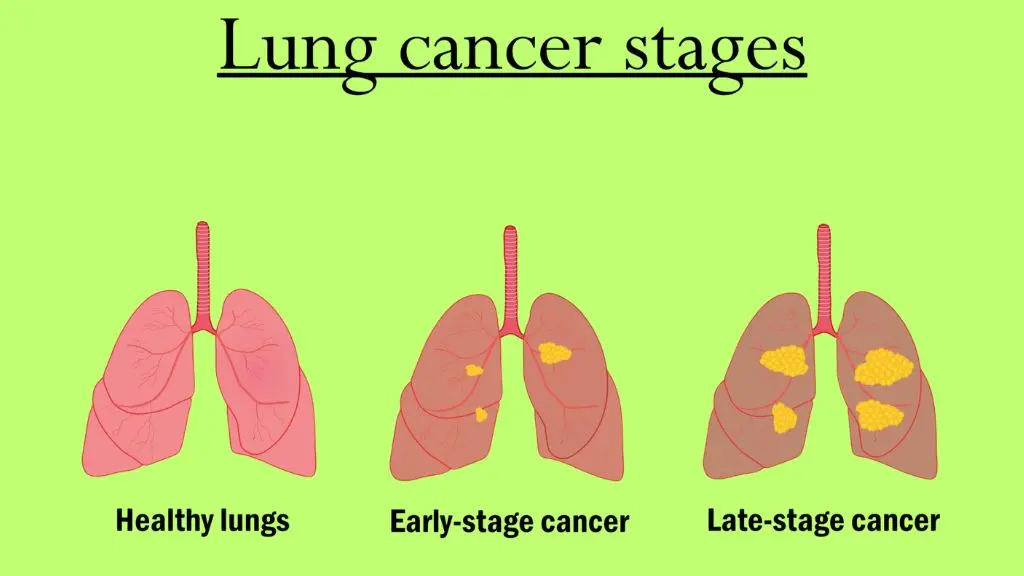
Lung cancer is the deadliest cancer in America regardless of state, accounting for approximately 21% of all cancer deaths each year. Kentucky’s lung cancer rate of nearly 83 per 100,000 is almost 30 points above the national average of around 54 per 100,000. Every state topping the lung cancer rankings — Kentucky, Arkansas, West Virginia, Mississippi, and Tennessee — also has a disproportionately high percentage of adult smokers. The relationship is direct and undeniable.
Why Do Cancer Rates Differ So Dramatically Between States?
Three core factors drive most of the variation:
Access to Healthcare and Screenings: Poverty remains one of the most powerful predictors of cancer outcomes. When people cannot afford regular check-ups, screenings, or early interventions, cancers are diagnosed later — when they are harder, and often impossible, to treat effectively. Early detection is one of the most powerful tools medicine has, and it is not equally accessible to all Americans.
Smoking Rates: States with higher adult smoking populations consistently carry higher cancer burdens — particularly for lung, throat, and esophageal cancers. Tobacco use is still the single most preventable cause of cancer death in the United States.
Obesity Rates: Carrying excess body weight is now recognized as a risk factor for at least 13 different cancers, collectively representing 40% of all US cancer diagnoses annually. States with higher obesity rates — which often overlap with states experiencing higher poverty — tend to carry heavier cancer burdens across multiple cancer types.
🌿 The Best Natural Methods to Reduce Your Cancer Risk
While no lifestyle choice can guarantee you will never develop cancer, the scientific evidence for the following natural preventive measures is robust, well-documented, and powerful. These are not fads — they are among the most consistently supported cancer-prevention strategies in medical research.
1. Stop Smoking — and Avoid Secondhand Smoke
If you smoke, quitting is the single most impactful thing you can do for your cancer risk. Smoking is responsible for at least 87% of all lung cancer deaths in America. It is also directly linked to cancers of the mouth, throat, esophagus, stomach, kidney, bladder, and cervix. There is no safe level of tobacco use, and secondhand smoke carries real risks for non-smokers as well.
2. Maintain a Healthy Body Weight
Obesity is now one of the most significant and under-discussed cancer risk factors in America. Excess body fat promotes chronic inflammation, disrupts hormone levels, and creates conditions in the body that allow cancer cells to develop and thrive. Losing even a moderate amount of weight — and maintaining a healthy BMI — meaningfully reduces risk across more than a dozen cancer types.
3. Eat an Anti-Cancer Diet
Food is medicine — and certain dietary patterns are strongly associated with lower cancer rates. Focus on:
- Cruciferous vegetables (broccoli, cauliflower, Brussels sprouts, kale) — contain sulforaphane and indole-3-carbinol, compounds shown to inhibit tumor growth
- Berries — packed with antioxidants that neutralize free radicals linked to DNA damage
- Garlic and onions — contain allicin and organosulfur compounds with demonstrated anti-tumor properties
- Green tea — rich in EGCG, one of the most studied natural anti-cancer compounds
- Turmeric / Curcumin — anti-inflammatory properties that have been linked to cancer cell suppression in multiple studies
- Tomatoes — lycopene content is associated with reduced prostate cancer risk
- Whole grains and fiber — linked to significantly lower colorectal cancer risk
Minimize processed meats, refined sugars, ultra-processed foods, and excessive red meat — all associated with elevated cancer risk with sustained consumption.
4. Exercise Regularly
Physical activity is one of the most consistently cancer-protective behaviors in all of medical research. Regular exercise reduces circulating estrogen and insulin levels, decreases inflammation, supports healthy weight, and strengthens immune function. Aim for at least 150 minutes of moderate activity per week. Even daily walking significantly reduces risk for breast, colon, and endometrial cancers.
5. Limit Alcohol
Alcohol is a Group 1 carcinogen — the highest risk classification used by cancer research bodies. It is directly linked to cancers of the liver, breast, colon, esophagus, mouth, and throat. Reducing consumption, or eliminating it entirely, delivers real, measurable reductions in cancer risk.
6. Protect Your Skin From UV Radiation
Skin cancer is the most commonly diagnosed cancer in the United States. Daily sunscreen use (SPF 30 or higher), protective clothing, and avoiding peak sun hours (10 a.m. to 4 p.m.) dramatically reduce your risk of melanoma and other skin cancers. Never use tanning beds — they significantly increase melanoma risk, particularly in young people.
7. Prioritize Sleep
Chronic sleep deprivation suppresses the immune system, elevates cortisol and inflammatory markers, and disrupts the body’s natural cellular repair cycles. Research increasingly links poor sleep quality to elevated cancer risk. Adults need 7 to 9 hours of quality sleep per night. Your body does much of its cancer-fighting work while you rest.
8. Reduce Chronic Stress
Long-term psychological stress promotes inflammation, weakens immune surveillance, and has been associated with accelerated tumor progression in research settings. Daily stress management practices — whether meditation, yoga, prayer, time in nature, or simply unplugging from screens — are not luxuries. They are health interventions with real biological impact.
9. Minimize Exposure to Environmental Toxins
Many household and environmental chemicals — from certain pesticides to industrial pollutants to some cleaning products — are classified as known or probable carcinogens. Practical steps to reduce exposure include choosing organic produce where possible, filtering your drinking water, avoiding plastics with BPA, using natural cleaning products, and being mindful of air quality in your home and workplace.
10. Get Your Screenings — Early Detection Saves Lives
Perhaps the most practically important step of all: do not skip your recommended cancer screenings. Mammograms, colonoscopies, Pap smears, PSA tests, and skin checks exist specifically to catch cancer at its most treatable stage. The data from New Mexico’s improving lung cancer survival rates demonstrates exactly what early detection can do. Screenings are not just for people with symptoms — they are how we catch cancer before the symptoms appear.
Conclusion
Cancer is neither inevitable nor random. Where you live, how you eat, whether you smoke, how much you move, how well you sleep — all of these factors shape your risk in meaningful and measurable ways. The dramatic differences in cancer rates between American states are not accidents of geography. They are the cumulative result of lifestyle, environment, access to care, and policy.
You may not be able to choose the state you live in, or change the healthcare system overnight. But you can choose what you eat today, whether you exercise, how you manage your stress, and whether you show up for your next screening. In the fight against cancer, those choices matter more than almost anything else.