North Korea Launches Ballistic Missiles in First Test of 2026: Timing, Reactions and Geopolitical Context
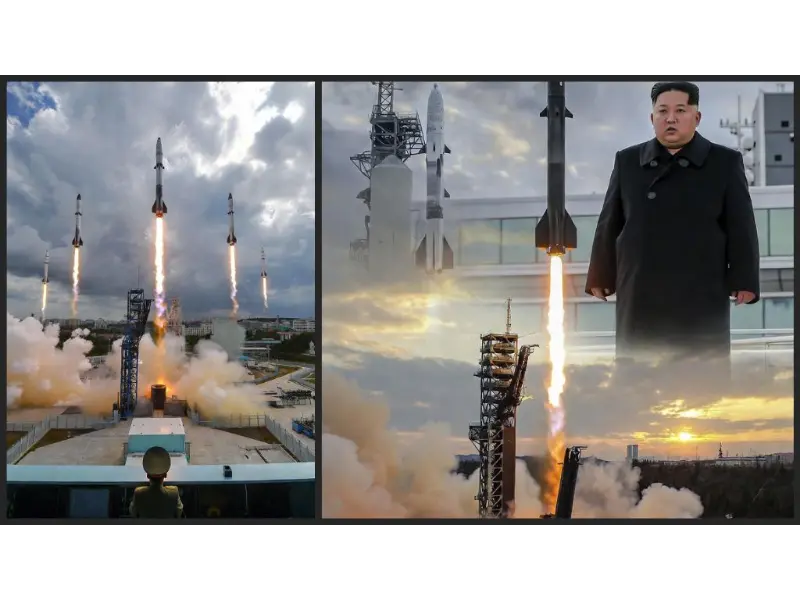
North Korea fired multiple ballistic missiles from near Pyongyang toward the East Sea (Sea of Japan) on Sunday morning (around 7:50 a.m. local time, January 4, 2026), marking its first missile test of the new year and the first in two months since November 7, 2025.
The launches occurred just hours before South Korean President Lee Jae Myung departed for a state visit to China (January 4–7) for a summit with Xi Jinping, and shortly after a major U.S. military operation captured Venezuelan President Nicolás Maduro. This provocative act drew swift condemnation from South Korea, Japan, and the U.S., while analysts view it as a calculated signal amid shifting global dynamics.
Must Read: Top 10 Hidden Heroes in History You’ve Probably Never Heard Of
Launch Details: Trajectory, Range and Technical Aspects
South Korea’s Joint Chiefs of Staff and Japan’s Defense Ministry detected at least two (possibly more) ballistic missiles launched from the Pyongyang area. The missiles flew on irregular trajectories—likely incorporating maneuvers to evade detection—and traveled approximately 900–950 km (560 miles), landing in the sea outside Japan’s exclusive economic zone. Altitude reached around 50 km in some reports. The irregular paths suggest testing of evasion technologies against missile defenses. No immediate damage or threats reported, but the range puts southern Japan and U.S./South Korean bases within reach.
Timing and Geopolitical Messaging
The launches coincided with:
- South Korea’s Presidential Visit to China — President Lee Jae Myung’s state trip (January 4–7) to Beijing, including a Xi summit focused on Korean Peninsula peace and denuclearization.
- U.S. Capture of Nicolás Maduro — Hours after President Donald Trump’s announcement of a large-scale strike capturing Venezuela’s leader (January 3–4, 2026).
Analysts interpret the timing as deliberate:
- Message to China: Deter closer Beijing-Seoul ties or pressure on denuclearization.
- Signal to U.S.: “North Korea is not Venezuela”—possessing nuclear/missile deterrents against regime change.
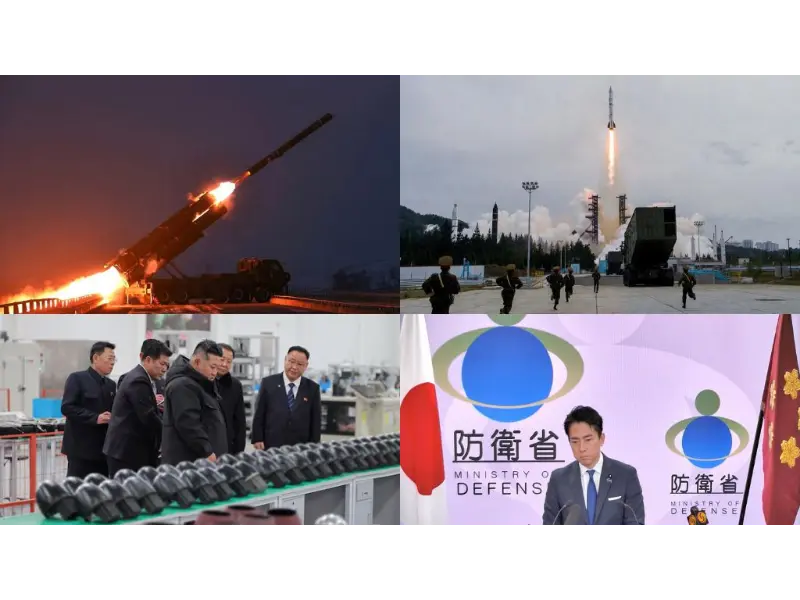
- Pre-Party Congress Flex: Kim Jong Un visited munitions factories Saturday (January 3), calling for doubled tactical weapon production ahead of the Ninth Workers’ Party Congress.
Must Read: Deadliest Weapons in History: From Ancient Blades to Modern Devastation
International Reactions
- Japan → Defense Minister Shinjiro Koizumi condemned the launches as threats to regional/international peace, lodging a strong protest. Japan coordinated with U.S./South Korea.
- South Korea → Presidential office held emergency NSC meeting; urged cessation of “provocative acts violating UN resolutions.” Military strengthened surveillance.
- United States → Indo-Pacific Command stated no immediate threat but consulted allies closely.
- China → No immediate comment, but Lee’s visit includes persuading Beijing on North Korea dialogue.
Must Read: Trump Orders U.S. to Resume Nuclear Weapons Testing After 33 Years
Broader Context: North Korea’s 2026 Strategy
This first 2026 test follows recent cruise missile drills (December 2025) and Kim’s factory inspections emphasizing tactical nuclear weapons. Pyongyang views these as deterrents against superior U.S./South Korean/Japanese forces. Launches have decreased public attention amid Ukraine, Taiwan, and now Venezuela crises.
The event underscores persistent tensions despite diplomatic hopes from Lee’s China trip. Stay tuned for updates on responses and potential further tests. What do you think this signals for 2026? Share below!
Must Read: 10 Most Powerful Armies in the World 2025: Rankings and Insights